Ram TRX vs Ford Raptor R: Comparing Real Ownership Costs Before You Buy
Sticker price is only the start with two supercharged flagship trucks — fuel, insurance, and resale all move differently between them. This is the cost side of the TRX/Raptor R decision, separate from the performance specs.
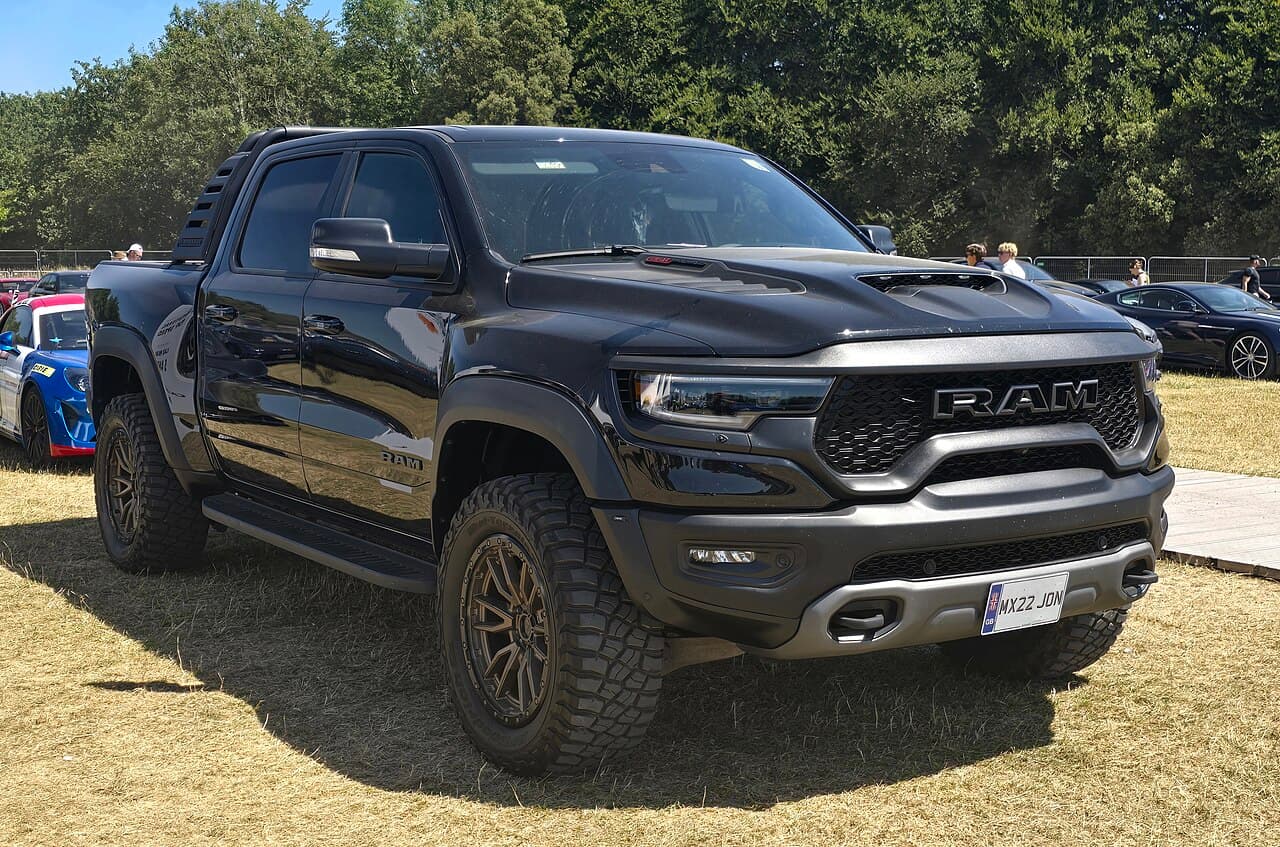
The performance numbers are already settled on this site's spec-for-spec comparison of the two flagships. This piece picks up where that one stops: what it actually costs to own either truck once the honeymoon ends. Short version up front: both trucks are supercharged, premium-fuel, big-tire performance trucks, and both will cost more to run than a regular half-ton in fuel and tires. Where they diverge is insurance exposure, resale behavior, and how much cost history actually exists to plan around. For the Ram 1500 TRX that history is real. For the Ford Raptor R it is thinner than people assume. For the 2027 Ram 1500 SRT TRX it does not exist yet at all.
Fuel costs: both trucks punish you the same way, for different reasons
Neither truck is cheap to feed, and neither is a surprise if you already read the window sticker. We have already broken down the actual EPA numbers and the real-world gap in our dedicated TRX mpg piece, and that article is the one to read if you want the specific city/highway figures and why they undershoot on a street-driven truck with 35-inch tires. We will not restate a number here.
What matters for this comparison is the shape of the cost, not the digit. The Ram 1500 TRX runs a 6.2L supercharged HEMI V8 making 702 hp and 650 lb-ft in 2021-2024 trucks, and it wants premium fuel. The Raptor R runs a supercharged 5.2L V8 of its own, also on premium. Both trucks are driven by owners who bought them to use the power, and both trucks get worse mileage the more that power actually gets used. If your use case is mixed highway commuting with occasional throttle, the two are close enough that fuel cost should not be the deciding factor between them. If your use case is regular towing or trail driving in 4-Low, budget for both to land on the bad end of whatever range each manufacturer publishes.
Tires: the real recurring cost nobody prices until the first set wears out
This is where both trucks quietly separate from a Rebel or a stock F-150. The TRX runs an aggressive all-terrain on 18-inch wheels and the Raptor R runs a similarly sized performance all-terrain, and neither is a tire you find discounted at a big-box store. Expect to pay more per tire, more often, than you would on a non-performance truck in the same size class, especially if the truck sees any gravel or sand where sidewall and tread wear faster.
This is also the point where TRX owners start shopping replacement and upsized options, and our tire and lift guide is the place to see what actually clears the body and suspension without guesswork. We are not going to put a dollar figure on a tire set here because pricing swings by brand, size, and region in a way that makes a flat number dishonest. Treat it as a known recurring cost on both trucks, not a one-time hit.
Insurance: two different risk profiles, and neither is quotable as a flat number
Insurance on a 700+ horsepower truck is never going to look like insurance on a Rebel or a stock Raptor, and the honest answer is that nobody can tell you your premium without your ZIP code, your driving record, and your carrier's own underwriting rules for high-output trucks. We have gone through the TRX side of this in detail in our TRX insurance cost breakdown, including why these trucks get flagged as high-performance even though they look like a work truck from across the parking lot. The same logic extends to the Raptor R: a 700-plus horsepower, short-wheelbase-feeling truck with a six-figure replacement cost is going to price out closer to a performance car than to an F-150 XLT, regardless of badge.
What we will not do is hand you a side-by-side premium number for TRX versus Raptor R, because nobody who has not run both quotes in the same household, same driver, same state, has an honest comparison to publish, and we have not seen one worth citing. If you are cross-shopping the two, the move is to get an actual quote on both VINs (or close equivalents) from your own carrier before you decide, not to trust a forum post claiming one insures cheaper than the other as a blanket rule.
2027 SRT TRX: there is no cost-of-ownership data yet, full stop
The 2027 Ram 1500 SRT TRX has been in customer hands for a few weeks. There is no fuel-economy track record beyond the window sticker, no insurance claims history, no resale data, and no maintenance pattern, because the oldest ones on the road have not seen a single annual service interval yet. We have laid out what actually changed on the new truck, 777 hp and 680 lb-ft versus 702 and 650 on the outgoing TRX, a starting MSRP of $99,995 plus destination, in our full rundown of what's different for 2027, and we track early owner impressions as they come in through two weeks in with the new truck. None of that adds up to an ownership-cost estimate, and anyone quoting you one right now is guessing. Our own budgeting framework for the new truck is deliberately upfront about that gap in the SRT TRX insurance and ownership budget piece, and if you are trying to decide whether the new truck is worth the jump over a used 2021-2024, our early buyer verdict is the honest read on that, cost side included.
Resale: the TRX has a real track record, the Raptor R does not have one we can vouch for
The 2021-2024 Ram 1500 TRX has been off the production line long enough (it was built December 2020 through February 2024 at Sterling Heights Assembly) that live dealer listings give a genuine resale picture. Our own market data currently shows 2021 trucks averaging roughly $68,500 and 2024 trucks averaging roughly $93,100 across hundreds of live listings, which tells you the depreciation curve is gentler than a typical half-ton and that low-mile late-model trucks are still commanding real money. The full breakdown, including why certain configurations hold value better, is in our resale value piece pulled straight from dealer listings.
We are not going to put a comparable number on Raptor R resale here. Pricing data on a specific, lower-volume flagship like the Raptor R is easy to get wrong if it is not pulled from the same kind of live-listing dataset we use for the TRX, and we have not independently verified a Raptor R resale figure we would stand behind in print. If you want a side-by-side read on used-market value behavior between the two trucks, our TRX versus Raptor used-market value comparison is where we work through it properly rather than guessing here.
The short version
- Fuel and tires will be the two recurring costs that hit harder on both trucks than on a non-performance half-ton. Neither truck has an advantage here worth basing a purchase on.
- Insurance varies by driver and ZIP code on both trucks. Quote your own VIN on both before assuming one is cheaper.
- The 2021-2024 Ram 1500 TRX has real, current resale data behind it. The Raptor R comparison is not one we will quantify without better sourcing.
- The 2027 Ram 1500 SRT TRX has no ownership-cost history of any kind yet. Budget on the window sticker and the known mechanical specs, not on a forecast nobody can back up.