TRX Supercharger Upgrades Compared: What Actually Exists and What to Verify First
The 6.2L HEMI already comes supercharged from the factory, so an aftermarket upgrade is a bigger decision than on a naturally aspirated truck. Here's how the main upgrade paths compare, and what you need to confirm with a builder before you commit.
Gear in this article
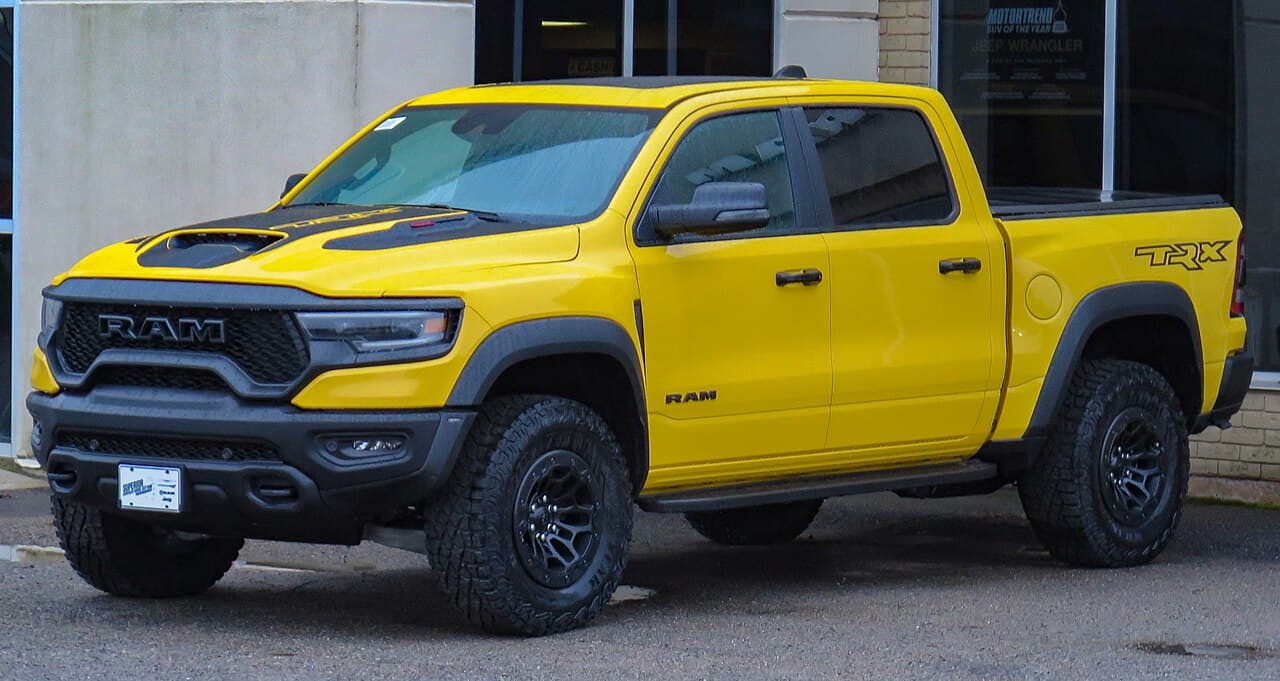
Two upgrade paths exist for the 6.2L supercharged HEMI in the Ram TRX, and they are not the same decision. A pulley swap or tune on the factory supercharger is a few hours of labor and a reversible change to boost pressure. A larger aftermarket supercharger kit replaces the blower assembly itself, costs several times as much, and is a much harder thing to undo. Before you spend money on either, verify the manufacturer-claimed horsepower figure, the fuel octane it assumes, and whether the kit has actually been validated on your model year, because none of that is standardized across brands and some of it changes between the 2021-2024 TRX and the 2027 SRT TRX.
What you're starting with
Both generations of this truck come supercharged from the factory, which is the thing that makes this decision different from a naturally aspirated build. The 2021-2024 Ram 1500 TRX makes 702 hp and 650 lb-ft from its 6.2L supercharged HEMI. The 2027 Ram SRT TRX makes 777 hp and 680 lb-ft from the same displacement, a factory gain Ram built in rather than one an owner has to chase. If you want the full breakdown of where that extra 75 hp actually shows up on the road, we cover it in Ram TRX Horsepower: 702 vs 777 and What the Extra 75 Actually Does.
That gap matters for this article because it changes the math on whether an aftermarket blower is worth chasing at all, and because kits built and tuned around the 2021-2024 truck's factory calibration, boost curve, and accessory drive are not automatically correct for the 2027 truck. We go deeper on parts compatibility specifically in Do Ram TRX Performance Parts Fit the 2027 SRT TRX?. Given the 2027 is weeks old in customer hands, there is no aftermarket supercharger history on it yet, and anyone telling you otherwise is guessing.
The two upgrade paths, conceptually
Pulley and tune. This path keeps the factory supercharger housing and rotors in place and changes the pulley diameter to spin the blower faster, paired with a tune to manage fuel, timing, and boost targets. It is the cheaper of the two paths, it is closer to a weekend job for a shop with the right tools, and in most cases it is the more reversible of the two, since the factory pulley and the factory tune can go back in if you sell the truck or decide you do not like the result. The tradeoff is a smaller gain over stock and a harder ceiling, since you are still limited by the factory blower's displacement and the factory intercooler's ability to keep charge temperatures in check.
Larger aftermarket supercharger kit. This path replaces the factory blower with a larger unit, typically paired with a bigger intercooler, revised fueling, and a dedicated tune calibrated for the new hardware. This is a bigger investment, a longer install, and a harder thing to walk back once it is done. The one kit we have an actual published deep-dive on is the Whipple Stage 1 kit for the 6.2L TRX, and we are not going to re-derive those specifics here. For displacement, claimed output, and install detail, go read the Whipple Stage 1 supercharger entry in the mod database directly rather than trusting a secondhand summary, here or anywhere else. Other brands make similar kits for this platform; treat every horsepower number any of them publish as manufacturer-claimed until you have seen a dyno sheet from a specific truck, on a specific fuel, with a specific tune.
| Factor | Pulley + tune | Larger blower kit |
|---|---|---|
| Install complexity | Lower, often a day or less | Higher, often a multi-day job |
| Reversibility | Easier to return to stock | Harder, more parts to undo |
| Fuel/octane demands | Usually modest increase | Often requires higher octane or E85 |
| Warranty exposure | Still a powertrain modification | Higher dollar exposure if a claim is denied |
Neither column has a universal price attached in this comparison on purpose. Kit pricing varies by brand, by what is bundled (intercooler, fuel pump, injectors, tune), and by whether install labor is included, and any number we quoted here without a specific kit in front of us would be fiction. Get a written, itemized quote from the builder, including parts and labor hours, before you commit to either path.
What to verify before you buy any kit
- Model year fitment, confirmed in writing. A kit designed and tuned for a 2021 TRX does not necessarily bolt on or calibrate correctly for a 2024, and nothing built for the 2021-2024 truck should be assumed to fit the 2027 SRT TRX without the manufacturer explicitly saying so.
- The manufacturer-claimed gain, and what fuel it assumes. Ask whether the advertised number is on 91 octane, 93 octane, or E85, because the gap between those is large and the headline figure usually assumes the best-case fuel.
- What else the kit requires. Larger blowers often need an upgraded intercooler, larger fuel injectors, or a bigger fuel pump to support the added air. If those are not included in the kit price, your real budget is higher than the sticker on the box.
- Who tunes it, and how. A supercharger kit without a proper calibration is not a finished product. Ask whether the tune is handled by the kit manufacturer, by a local tuner with experience on this specific kit, or left to you to sort out.
- Whether a dyno sheet exists for your exact combination, not just a generic marketing number for the kit line.
Fuel and octane requirements
The factory 6.2L supercharged HEMI in both generations is tuned around pump gas, but aftermarket boost increases, whether from a pulley or a bigger blower, generally raise the octane requirement to manage knock at higher cylinder pressures. Some kits are designed around 93 octane, some are built or tuned specifically for E85, and some offer a flex-fuel tune as an option. If you are not near a station that reliably sells 93 or E85, factor that into which kit even makes sense for where you live. If E85 is part of the plan, read Running E85 in a Ram TRX: What a Flex-Fuel Conversion Actually Requires before you buy anything, since a flex-fuel setup changes the fuel system requirements on top of whatever the supercharger kit itself needs.
Tuning requirements
Neither upgrade path is complete without a tune, and the tune is not a one-time flash you forget about. Pulley kits need boost and fuel targets recalibrated for the new drive ratio. Larger blower kits need a full calibration built around the new hardware, and many owners end up revisiting the tune after break-in or after switching fuel. The tools available for the 6.2L TRX platform range from piggyback devices to full flash tuning, each with different tradeoffs in cost, reversibility, and how much control you have over the final calibration. We compare the actual options in Ram TRX Tuner Options Compared: JB4, HP Tuners, and What Each Actually Changes, and that article is worth reading before you talk to a supercharger kit seller, because the tuning conversation and the hardware conversation are not actually separate decisions.
Warranty impact and reversibility
A supercharger swap, whether pulley-only or a full kit, is a powertrain modification, and it is reasonable to assume it puts you in a position to have a powertrain claim denied if the dealer or Chrysler can connect the modification to the failure. That is not automatic doom for every warranty claim on the truck, it is specific to whether the modification is plausibly related to the part that failed, and dealers do not always get that call right. We lay out the real mechanics of what voids coverage and what does not in Which Ram TRX Mods Actually Void Your Warranty, and Which Don't. If your truck is still inside the factory powertrain warranty and you are not willing to accept that risk, a pulley-and-tune combination that can be removed and reverted to the stock pulley and stock calibration is a meaningfully smaller bet than a larger kit that leaves evidence of a different blower housing bolted to the block.
The short version
- A pulley-and-tune upgrade on the factory supercharger is the cheaper, more reversible path, with a lower ceiling on output and a smaller warranty footprint.
- A larger aftermarket supercharger kit, like the one detailed in the Whipple Stage 1 mod database entry, is a bigger investment with a harder path back to stock, and every horsepower figure attached to it or any competing kit should be treated as manufacturer-claimed until you see a dyno sheet for your specific truck.
- Confirm model year fitment, fuel octane requirements, what tuning is included, and what the kit does to your warranty exposure before you commit to either path. None of those answers are the same across brands or across the 2021-2024 TRX and the 2027 SRT TRX.
- If your truck is still inside its factory powertrain warranty and you cannot accept the risk a modification carries, staying stock, or limiting yourself to changes that are fully reversible, is the honest answer for most owners, not a compromise.