Running E85 in a Ram TRX: What a Flex-Fuel Conversion Actually Requires
E85 is a common upgrade path for supercharged HEMI owners chasing more power and cheaper fuel, but the TRX isn't flex-fuel rated from the factory. Here's what actually has to change before running it, and who this mod is realistically for.
Gear in this article
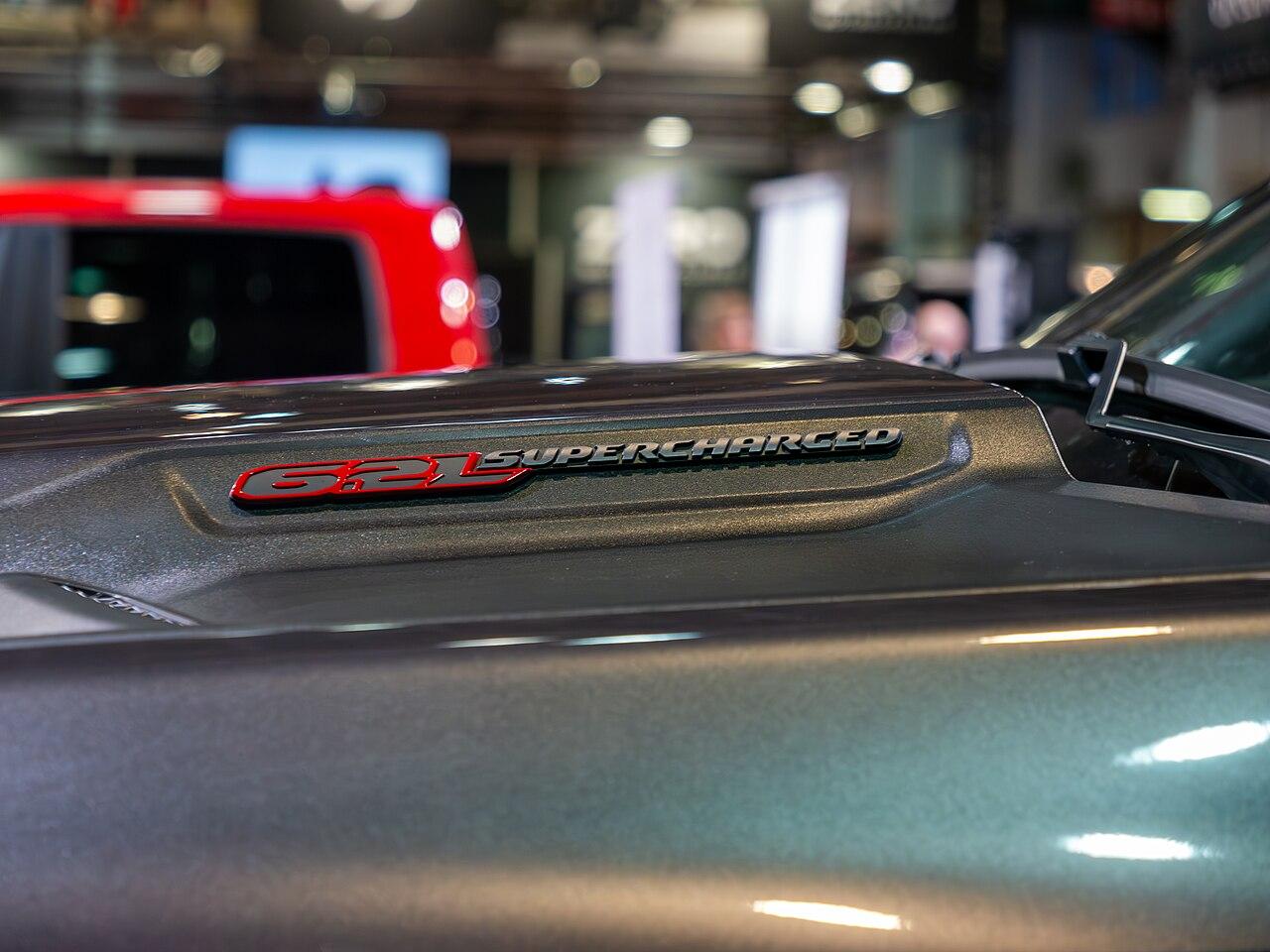
E85 is not a bolt-on for a Ram TRX. The 2021-2024 Ram 1500 TRX left the factory on pump gas only, with no flex-fuel sensor, no E85-rated fuel pump, and a tune calibrated around 91/93 octane gasoline. Running meaningful ethanol blends safely means verifying every part of the fuel system that touches the fuel (lines, pump, injectors, sensors) can handle it, then pairing that with a tune written to use it. Skip either half and you are either feeding the engine fuel it cannot inject correctly, or running a gas tune on a fuel it was never calibrated for.
This piece covers what the conversion actually involves, not a parts list you can order blind, because the right parts depend on your specific fuel system and what your tuner is willing to support.
What "flex-fuel" actually means, and why the TRX does not have it
A factory flex-fuel vehicle has a sensor in the fuel line that reads the ethanol content in real time and a computer calibrated to adjust ignition timing, injector pulse width, and boost targets on the fly as that percentage changes. The TRX has none of that. The 6.2L supercharged HEMI in both generations (702 hp in the 2021-2024 truck, 777 hp in the 2027 Ram SRT TRX) is tuned at the factory for gasoline, full stop.
That does not mean the hardware is incapable of running ethanol blends. It means nobody at Ram did the engineering to make it safe to do so without intervention, and the burden of that engineering falls entirely on the owner and whoever tunes the truck.
What a real conversion requires
Two things have to happen, in order, and neither one is optional.
- Fuel system compatibility. Ethanol is a more aggressive solvent than gasoline and carries more oxygen, which changes the volume of fuel the injectors need to flow to make the same power. Depending on your truck's existing fuel system (stock versus already upgraded), this can mean confirming the fuel lines, in-tank pump, and injectors are rated for higher ethanol content, or replacing the ones that are not. Some owners get away with less hardware change than others depending on what blend they intend to run; this is exactly why nobody should quote you a number before looking at your actual truck.
- A supporting tune. Even with compatible hardware, the ECU (the engine computer) has no idea the fuel changed. A tuner has to rewrite the fuel trims, timing tables, and boost logic to match whatever blend you are running, and that tune has to be conservative enough to cover the days you buy E70 instead of E85, because ethanol content at the pump is not consistent. This is also where most shortcuts get taken. A tune written for a fixed blend assumption will run poorly, or dangerously lean, the first time you fill up somewhere that blends differently.
What percentage of ethanol is actually safe for your truck is a question for your fuel system and your tuner, not for a forum thread. Do not treat any number you read online, including a round one like 85, as a ceiling your specific truck can handle. Confirm it with whoever is doing your fuel system work and whoever is writing the tune, and expect the honest answer to start with "it depends."
For the tuning side specifically, see our rundown of Ram TRX tuner options, since not every tuning platform supports a true E85 calibration, and the ones that do vary in how they handle a blend that drifts.
Why TRX owners chase this in the first place
The appeal is straightforward: ethanol has a higher octane rating than pump gasoline, which gives a tuner more room to run timing and boost on a supercharged engine without knocking. That matters more on a forced-induction setup than a naturally aspirated one, which is part of why E85 conversions come up constantly alongside bigger blower swaps. If you are already looking at something like the Whipple Stage 1 supercharger upgrade for the 2019-2024 TRX, the fuel question gets more relevant, not less. More boost needs more octane headroom, and E85 is one way to buy that headroom. But stacking a bigger blower, an E85 conversion, and an aggressive tune on top of each other compounds the risk in the fuel system and the tune at the same time, and that is not a weekend project.
What it actually does for power, and what it does not
We are not going to hand you a horsepower number for an E85 tune, because it is not a fixed figure. The gain depends on the blend you settle on, the supercharger pulley and boost level you are running, the quality of the tune, and the specific truck. Anyone quoting you a precise gain before dyno time has not actually dynoed your truck. Expect the honest conversation with a competent tuner to be about the strategy, not a number, until your truck is on the rollers.
The fuel economy tradeoff
Ethanol carries less energy per gallon than gasoline, so running E85 generally means burning more fuel to make the same power, on any vehicle, not just the TRX. Before you weigh that tradeoff, know your factory baseline: our Ram TRX mpg breakdown covers what the EPA ratings actually say and where real-world driving lands versus them. From that factory baseline, expect your observed mpg to drop further on E85, though we are not going to put a specific percentage on that drop. It depends on the blend, the tune, and how you drive, and nobody has published a number for this truck worth quoting as fact.
E85 is also frequently cheaper per gallon than gasoline where it is sold, which is part of the appeal, but availability is regional and in some parts of the country you will not find a station carrying it at all. Do the math on your own area before you build around the assumption that it is cheaper to run.
Does this apply to the 2027 Ram SRT TRX
Everything here is written around the 2021-2024 Ram 1500 TRX, where the fuel system, the supercharger setup, and the aftermarket tuning options are established. The 2027 Ram SRT TRX has been in customer hands for a matter of weeks. There is no documented E85 conversion history for this truck, no established fuel system compatibility data, and no tuner with a mature calibration for it yet. Anyone telling you right now exactly what an E85 conversion looks like on a 2027 SRT TRX is guessing. Give that market time to catch up before trusting any specifics on it.
Warranty and reliability, in plain terms
A fuel system modification and a supporting tune both touch systems the factory powertrain warranty covers. If a fuel-related failure happens on a modified truck, the dealer does not have to prove intent, just that the modification is connected to the failure, and tuning plus an ethanol conversion together make that connection easy to draw. For the full breakdown of what voids coverage and what does not, read which TRX mods actually void your warranty before you commit to this one.
On durability: there is no published reliability data on long-term E85 use in this engine, in either generation. Nobody has run a large enough fleet of E85-converted TRX trucks for long enough to say what wears faster or fails sooner. That silence is a fact, not a reassurance. Anyone claiming otherwise is speculating.
The short version
- The 2021-2024 TRX is not flex-fuel rated from the factory, and running E85 safely requires confirming fuel system compatibility and pairing it with a tune written for the blend you intend to run, not a tune written for gas.
- Do not trust a specific maximum ethanol percentage, a specific horsepower gain, or a specific mpg penalty from anyone who has not looked at your actual truck and tune.
- Tuning plus a fuel system conversion both put factory powertrain coverage at risk; read up on warranty exposure before you commit.
- There is no long-term reliability data for E85 in this engine. This mod is realistically for an owner who already runs a built fuel system and a tuner they trust, chasing octane headroom for a bigger power build, not for someone looking for a cheap fuel hack on a stock truck.