Which Ram TRX Mods Actually Void Your Warranty — And Which Don't
Owners planning a lift, tune, or exhaust often assume any modification kills factory coverage, and that assumption isn't always right. This piece separates general, well-established warranty principles from truck-specific mod choices so readers can make that call before they spend money.
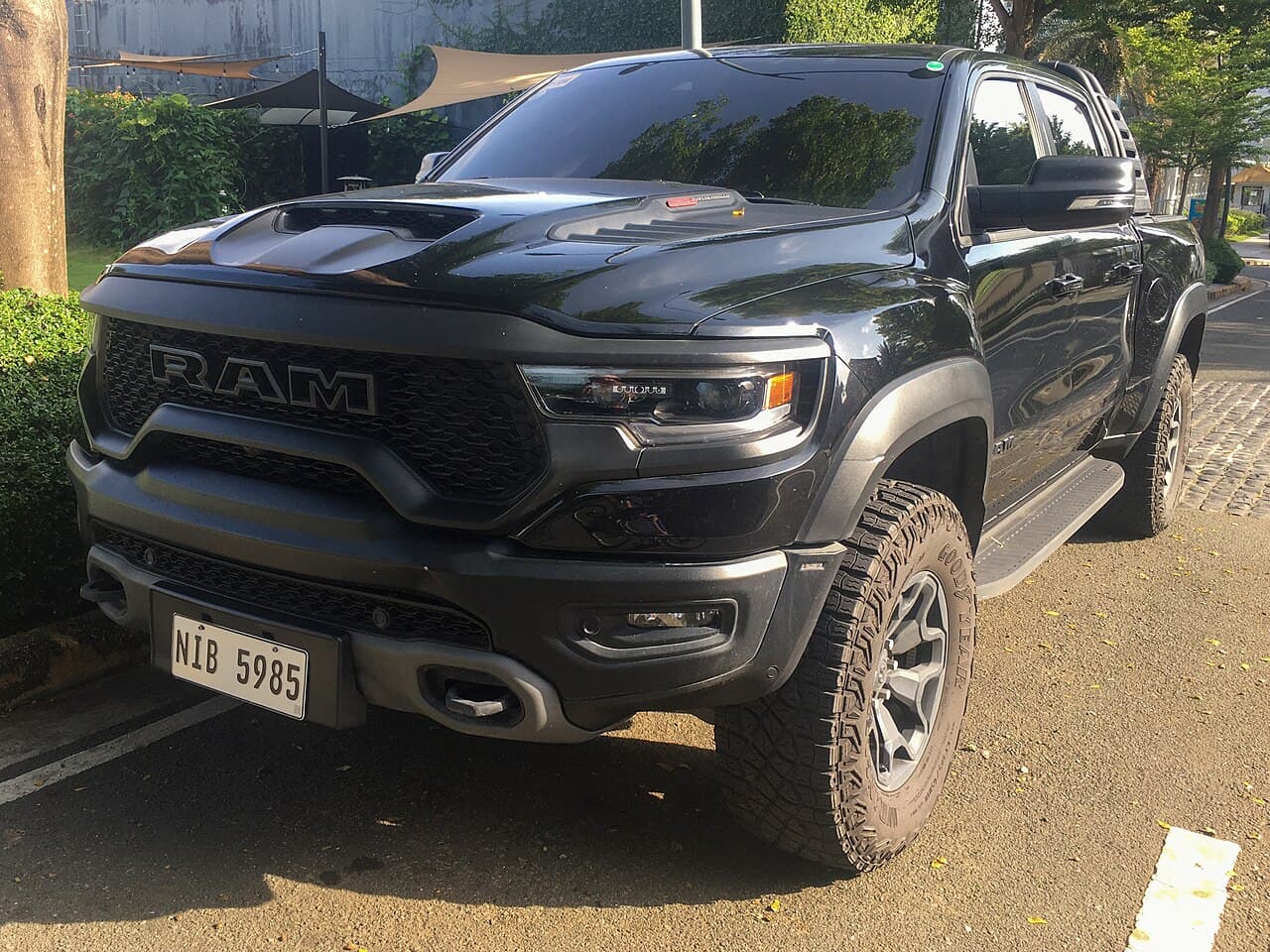
Installing a lift, a cold air intake, or a catback exhaust on your Ram 1500 TRX does not automatically void your factory warranty. A dealer can only deny a specific warranty claim if they can show the modification you installed actually caused the specific failure you are claiming. A lift kit on your front suspension does not give a dealer the right to deny a claim on your supercharger. That is the legal baseline, and it matters more than what any service writer tells you at the counter.
That said, "the law is on your side" and "the dealer will make this easy" are two different things. This piece covers which mod categories draw more scrutiny, which draw less, and what to do before you spend money so you are not finding out the hard way.
The principle that actually controls this
The relevant federal law is the Magnuson-Moss Warranty Act, and the piece of it owners usually hear secondhand (often garbled) is this: a manufacturer or dealer cannot deny warranty coverage on a vehicle just because it has aftermarket parts on it. To deny a specific claim, they have to show that the modification caused the specific failure.
In plain terms: if you put a catback exhaust on your TRX and the exhaust itself fails, that is on you, the aftermarket part is not covered to begin with. But if your transmission fails and the only thing different about your truck is the exhaust, the dealer cannot point at the exhaust and deny the transmission claim without showing a connection between the two. "You modified the truck" is not, by itself, a legal reason to deny an unrelated claim.
This is a general consumer-protection principle that applies across the industry, not a Ram-specific policy, and it is not a guarantee of anything. It just means the burden is on the dealer or manufacturer to connect cause and effect, not on you to prove innocence.
Why dealers push back anyway
Knowing the law and getting a service department to apply it correctly in the moment are different problems. Individual dealers vary a lot in how they handle modified trucks: some will write up a claim without blinking, others will flag anything aftermarket and make you fight for it. That variance is the actual risk you are managing, not the law itself.
This is also where "goodwill" gets confused with warranty obligation. A factory powertrain warranty is a contractual obligation with specific term and mileage limits set by Stellantis. We are not going to print a specific years/miles figure here because terms have shifted across model years and sales periods, and a wrong number in a warranty article is worse than no number. Pull your own coverage terms from your warranty booklet, your Jeep/Ram/Stellantis owner account, or by calling your selling dealer with your VIN. Confirm it before you spend a dollar on a mod you are weighing against coverage.
Separately, a dealer eating a repair cost "as a courtesy" on something outside what your documented coverage actually says is discretionary goodwill, not an obligation. Nobody owes you goodwill, and no amount of forum research changes that. If you are staring down a disputed claim, know what you are actually asking for: a supercharger or transmission repair on a 2021-2024 TRX can run well into five figures at a dealer, and a shop quoting that work will want to see the truck's full modification history before they commit to a number either way.
Mod categories, ranked by scrutiny risk
Not all mods carry the same risk. The further a modification sits from the powertrain, the easier it generally is to defend a claim.
Suspension and lift kits: lower risk
A lift kit, a coilover spacer, or a long-travel suspension kit changes ride height and geometry. If your transfer case fails, a lift kit is a hard thing for a dealer to connect to that failure. Where suspension mods do create real exposure is on suspension and steering components themselves: ball joints, control arms, tie rods, the parts that are in the direct physical and functional path of what you changed. If you lift the truck and a control arm bushing wears early, that is a much easier line for a dealer to draw.
Owners researching lift and ride-height options should start with the site's rundown of best tires and lift options for a Ram TRX before picking parts, since fitment and intended use narrow the field fast. If you are still deciding between model years before you build anything, the Ram 1500 TRX generation page lays out what changed across the 2021-2024 run.
Tires and wheels: lower risk, with one real exception
Going up in wheel diameter or running a wheel with a different offset than stock is low-risk for most warranty purposes: it has almost no plausible connection to a drivetrain or engine failure. The one place this changes is if you run tires significantly larger than stock without correcting anything else. A much larger, heavier tire increases load on wheel bearings and can affect speedometer-dependent systems. It is not a reason to deny an unrelated engine claim, but it is a legitimate line of inquiry if a bearing or hub fails.
Exhaust: low-to-moderate risk
A catback exhaust change is mechanically downstream of the engine and generally easy to defend on anything unrelated to exhaust and emissions components. Where it gets more complicated is if the install also deletes or modifies an emissions component: that moves it out of a simple bolt-on swap and into territory where a dealer, or a state inspection, treats the truck differently.
Tuning and ECU changes: highest scrutiny, for good reason
Owners and shops across the industry, not just on the TRX, widely describe engine and transmission software changes as the mod category dealers scrutinize hardest in warranty disputes. We have not seen a published failure-rate or dispute-rate number worth quoting for the TRX specifically, and nobody should hand you one as fact. What is true in general terms: a custom tune, a piggyback tuner, or any device that alters the engine or transmission's factory calibration changes exactly the systems most likely to be involved in a powertrain failure, which is also the most expensive thing on the truck to fix.
This does not mean a tune automatically voids coverage the moment it is installed; the same cause-and-connection standard applies. But a dealer has a much easier time drawing a plausible line between a tune and a blown ring land or a slipping clutch pack than between a tune and, say, a failed window motor. If you run a tune, keep records of what it changed, when it was installed, and ideally keep the ability to flash the truck back to stock calibration before any dealer visit for an unrelated powertrain complaint.
Get it in writing before you spend money
Dealer discretion is the actual variable here, not the law, so the single most useful thing you can do costs nothing: ask your selling dealer, in writing, how they handle warranty claims on modified trucks, before you install anything. Email, not a conversation at the parts counter. Save the reply. Practice is not consistent store to store, and a verbal answer from a service writer who leaves in six months is worth nothing when you are the one with the four-figure repair quote.
If you are cross-shopping dealers on a new 2027 Ram SRT TRX order, or you are buying a used 2021-2024 TRX with mods already installed, ask the same question before you sign anything. The general mod database at /mods is a reasonable place to see what owners are actually running before you decide what to ask about specifically, and the deeper build breakdown in modded Ram TRX: what owners actually build covers the combinations owners settle on in practice.
Does the generation change any of this
The legal principle is the same regardless of which truck you own. Magnuson-Moss does not care whether your 6.2L supercharged HEMI makes 702 horsepower (2021-2024 TRX) or 777 horsepower (2027 Ram SRT TRX). What is different is that the 2027 Ram SRT TRX has been in customer hands for only a few weeks as of this writing. There is no warranty dispute history, no known pattern of what dealers flag, and no owner track record on modified 2027 trucks at all. Anyone telling you how Stellantis handles modified 2027 SRT TRX warranty claims specifically is guessing. Treat the 2021-2024 TRX's longer ownership history as informative, not as a guarantee of how the newer truck's dealer network will behave.
The short version
- A dealer has to connect a specific modification to a specific failure to deny that claim, not just point at "the truck is modified."
- Lift and ride-height changes carry the lowest risk to unrelated systems; tires and wheels are similarly low risk outside of bearing and hub wear with significantly oversized tires; exhaust is low-to-moderate unless emissions hardware is altered; tuning and ECU changes draw the heaviest scrutiny industry-wide, including on the TRX.
- Confirm your actual powertrain and bumper-to-bumper coverage terms against your warranty booklet or your selling dealer, not against a number you saw on a forum or on this page.
- Get your selling dealer's answer on modified-truck warranty handling in writing before you install anything, not after.
- Keep your factory parts, keep your receipts and install dates, and keep the ability to return the truck to stock calibration before a dealer visit if you run a tune.