Ram RHO Tuner Options Compared: What Each One Actually Changes
A single JB4 writeup only answers one piece of the RHO tuning question. This compares the realistic tuner categories available for the RHO and what each is meant to do, so owners can decide if tuning is worth it before they buy anything.
Gear in this article
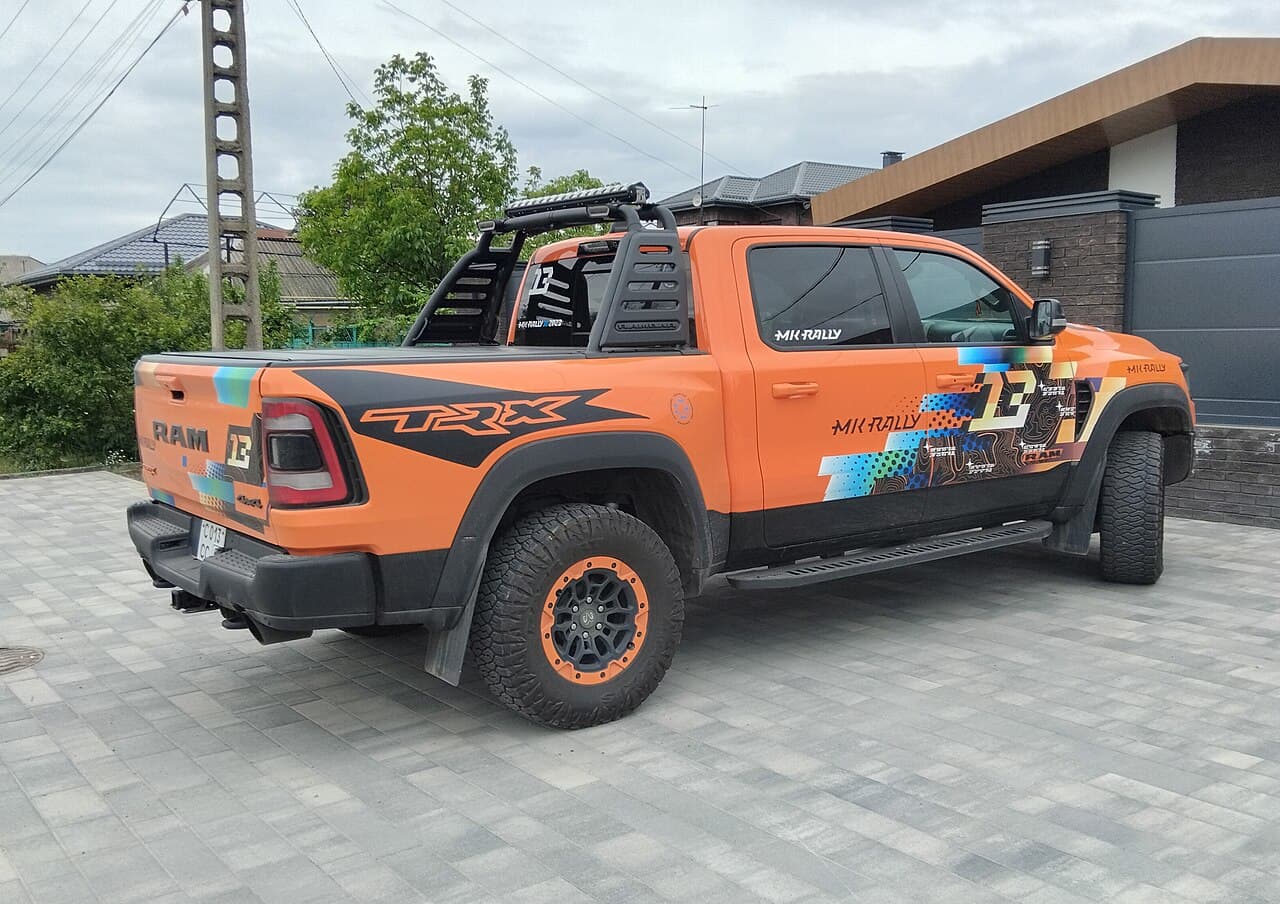
The realistic tuner options for a 2025-2026 Ram RHO fall into three categories: piggyback tuners that intercept sensor signals, flash tuners that rewrite the engine computer's calibration tables directly, and dealer-level recalibration done through official channels. None of them have a verified, independently tested horsepower number attached yet. Treat every gain figure you see in a product listing as marketing copy until someone runs the truck on a dyno before and after and publishes both numbers.
This matters more for the RHO than it does for the Ram 1500 TRX, because the two trucks do not share an engine or a tuning history.
Why the RHO's tuning situation is different from the TRX's
The Ram 1500 TRX runs a supercharged 6.2L HEMI V8 that has been in the aftermarket for years. Tuners, shops, and forums have had multiple model years to work out what a piggyback or a flash tune actually does on that engine, which is why our TRX tuner comparison can talk about JB4 and HP Tuners with some track record behind the claims.
The Ram 1500 RHO runs a twin-turbo 3.0L Hurricane inline-six instead of the V8, and the truck itself is a newer platform with a much thinner history. A turbocharged engine and a supercharged one respond to tuning differently in theory (turbo engines often have more headroom from boost and timing changes alone, supercharged engines are more mechanically limited by the blower itself), but theory is not the same as a published result for this specific truck. Do not assume a tuning strategy that worked on a TRX will produce a comparable result on an RHO. The hardware is not the same, and the software almost certainly is not either.
The three realistic tuner categories
Piggyback tuners
A piggyback tuner sits between the stock sensors and the engine's computer and adjusts the signal those sensors send, rather than rewriting anything inside the computer itself. On a turbocharged engine like the RHO's, that typically means intervening on boost-related and timing-related signals to let the factory computer run a different calibration than it would on its own, while leaving the underlying factory tune untouched and easy to disconnect.
The JB4 tuner for the RHO is the example most owners will find first, and it is built specifically around the 3.0L Hurricane twin-turbo engine rather than ported over from a V8 application. The appeal of this category is that it is removable. Unplug it and the truck is back to its factory calibration, which matters a lot if you are weighing warranty exposure (more on that below). The honest caveat: nobody has published independent dyno numbers for this combination on the RHO as of this writing, so any gain figure attached to it should be read as the vendor's claim, not a verified result.
Flash tuners
A flash tuner, sometimes called a standalone tune, rewrites the calibration tables stored in the engine's computer directly, rather than intercepting signals around it. This is typically a bigger change than a piggyback, because it alters the baseline the truck runs on rather than nudging signals on top of it, and it is correspondingly harder to fully undo without a return-to-stock file.
For the 6.2L V8 in the TRX, flash tuning through platforms like HP Tuners has years of community-developed calibration work behind it. For the RHO's turbo six, that ecosystem is newer and thinner. Before you commit money to a flash tune for an RHO, confirm with the tuning vendor directly that they have a calibration built and tested for this specific engine and model year, not a generic Hurricane file ported from a different Ram application. The Hurricane engine shows up in several Ram products, and a tune built for one of them is not automatically correct for another.
Dealer-level recalibration
This is the official path: a reflash performed through the dealer, either as part of a published repair procedure (a TSB, which is a factory-approved fix for a specific known issue, not free work on demand) or, less commonly, through a factory performance package sold and installed by the dealer itself. Nothing here is aftermarket, and nothing here is about chasing a horsepower number. Dealer reflashes exist to correct drivability complaints or running changes, not to add power, and you should not walk in asking for one to make the truck faster.
The practical upside of staying inside this lane is that it does not touch your warranty exposure the way an aftermarket tune can. The downside is that it will not get you anything resembling what a piggyback or flash tuner is sold to do.
What "more horsepower" claims actually mean right now
Every category above gets marketed with a number attached to it somewhere, whether that is a vendor's internal dyno run or a forum post repeating what someone heard. Treat all of it as unverified until an independent dyno test confirms it, meaning a test run by someone with no financial stake in the product's sales, on a dyno whose calibration you can check, with a before-and-after baseline on the same truck. That standard rarely gets met in this market, and for the RHO specifically, it has not been met publicly at all as of this writing. The same caution applied to early TRX tuning claims, and some of those numbers still have not held up to scrutiny years into that truck's production run.
What the warranty actually covers, and what it does not
The factory powertrain warranty covers defects in materials and workmanship on covered components, full stop. It does not promise that a dealer or Ram's factory warranty group will cover a failure near aftermarket hardware without a fight, and it does not promise free labor just because something failed while the truck was still inside the warranty mileage and years. A TSB is a repair procedure the factory wrote down, not a blank check, and goodwill repairs outside the written warranty terms are entirely at the dealer's discretion.
Our breakdown of which TRX mods actually void warranty coverage is written for the 6.2L V8 truck and its specific parts bin. The RHO's warranty terms, its service bulletins, and how its dealer network treats a piggyback tuner sitting on the harness during a warranty claim have not been documented anywhere near as thoroughly, simply because the truck has not been on the road long enough to generate that record. Call your dealer's service department with your VIN before you install anything if warranty coverage matters to you, and get whatever they tell you in writing if you can.
How to decide, instead of which product to buy
This is not a one-size answer, and anyone telling you otherwise is selling something. Work through it in this order:
- Daily driver or weekend truck. If the RHO is your only vehicle and a bad flash leaves you stranded or in a shop loop, a removable piggyback tuner is the lower-risk category by design. A flash tune on a daily driver raises the stakes of anything going wrong.
- Warranty risk tolerance. If the truck is still inside its powertrain warranty and you cannot afford a denied claim, dealer-level recalibration is the only category with no ambiguity attached. Anything aftermarket carries some risk until you have confirmed the specifics with your own dealer.
- Budget, including the parts you are not buying yet. Tuners rarely work in isolation. Owners pairing a tune with supporting hardware, such as a cold air intake or a cat-back exhaust, are a common build pattern on the TRX side, and the logic carries over: a tune alone is one line item, a tune plus supporting mods is a bigger one, and you should price the whole build before buying the first part.
If you are still deciding whether the RHO or a used TRX is the right truck before any of this becomes relevant, that is a separate and bigger decision, covered in our honest comparison of the TRX and RHO.
The short version
There is no established, independently verified horsepower gain figure for any RHO tuner as of this writing, on any category. Piggyback tuners like the JB4 built for the RHO's turbo six are the lowest-risk and most reversible option. Flash tuners exist in theory but have a thinner track record on this platform than they do on the TRX's V8. Dealer-level recalibration will not make the truck faster but will not put your warranty at risk either. Decide based on how you use the truck and how much warranty risk you can absorb, not based on a number in an ad you cannot verify.