Ram TRX in Winter: What to Know Before Your First Snow
A 702-hp off-road truck sounds like overkill for a snowy commute, but weight, tire choice, and ground clearance change how it actually behaves in winter. Here's what matters before you trust it on ice.
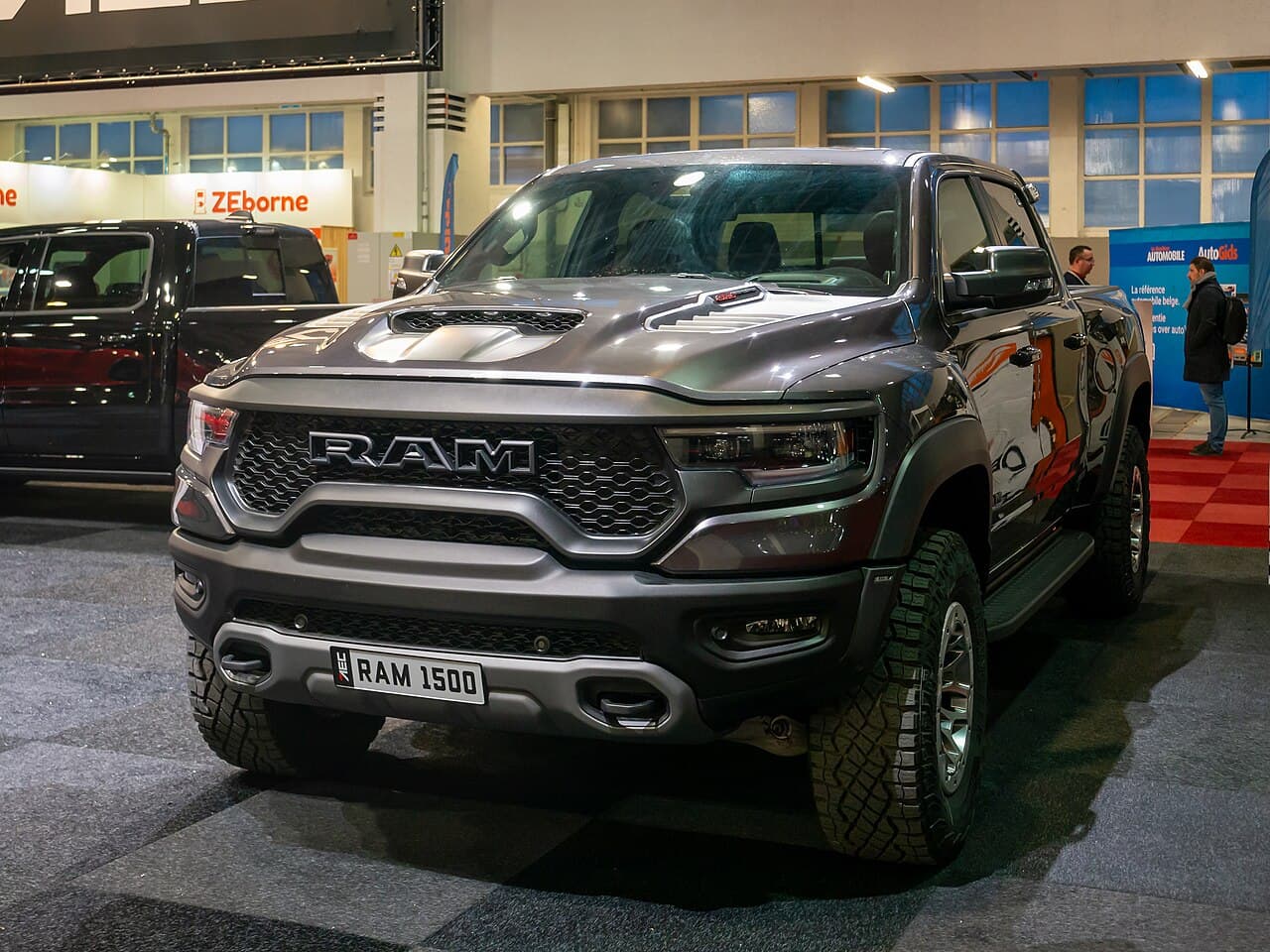
The honest answer: a Ram 1500 TRX will handle a snowy commute fine with the right tires, but the factory never publishes a snow or ice rating for this truck, and the things that make it fast in the desert (big power, a wide stance, a heavy curb weight) do not automatically make it good on ice. Traction in winter comes down to tire compound, weight distribution, and how carefully you manage throttle, not horsepower. Treat the TRX's 702 hp (2021-2024) or 777 hp (2027 SRT TRX) as a liability you have to manage in snow, not an advantage you get to use.
Here is what actually matters before you trust one on ice.
Does Ram publish a snow or ice rating for the TRX
No. There is no factory snow rating, no published ice-traction number, and no winter-specific durability claim for either the 2021-2024 Ram 1500 TRX or the 2027 Ram 1500 SRT TRX. Any number you see online claiming otherwise is somebody's guess dressed up as a spec. What you have instead is a 4x4 with a locking rear differential (standard on TRX trims) and a transfer case that can run in 4WD low range, which are real traction tools, but they only help once the tire is already biting into the surface. None of it substitutes for the right rubber.
Why horsepower does not help you on ice
More power at the wheels means more opportunity to break traction, full stop. On a 702-hp or 777-hp truck, a light foot on throttle matters more in January than it does the other eleven months. The extra 75 hp and 30 lb-ft the 2027 SRT TRX carries over the 2021-2024 truck (our horsepower comparison breaks down what that gap does and does not change) does nothing for you in snow except make it easier to spin a tire on launch. In low-traction conditions, the truck that wins is the one with the best tire contact patch and the most measured driver, not the one with the bigger number on the window sticker.
Weight helps in one specific way: more mass over the drive wheels generally improves traction, which is part of why trucks have historically done alright in snow compared to lighter cars. The TRX is a heavy truck with a wide stance, both of which add stability in a straight line and some resistance to getting pushed around by crosswinds or ruts. But nobody publishes an exact curb weight breakdown by axle for this truck that we would stake a claim on, so take "it is heavy and wide" as a general stability factor, not a number to plan around.
All-terrain tires versus a dedicated winter tire
This is the actual decision that determines how your TRX drives in snow, not anything mechanical.
The factory tire on a stock TRX is an all-terrain, built for a mix of highway, dirt, and light off-road duty. All-terrains do fine in an inch or two of fresh snow on a plowed road. They get worse fast below freezing because the rubber compound stiffens up, and they are genuinely bad on glare ice regardless of tread pattern. A dedicated winter tire uses a softer compound that stays pliable in the cold and a tread design cut specifically for ice and slush, and it will out-brake and out-corner an all-terrain on a cold road by a wide margin.
If you are driving a TRX through an actual winter, not just an occasional dusting, a second set of wheels mounted with winter tires is the upgrade that matters more than anything else on this list. We cover the tire and lift tradeoffs in detail in the mod database entry on tires and lift options for the TRX, including what sizes fit without rubbing and how ride height changes the math.
A rundown of where the three main paths land:
| Approach | Winter traction | Cost | Tradeoff |
|---|---|---|---|
| Stock all-terrain, year-round | Adequate in light snow, poor on ice | $0 | Worst option for real winter driving |
| Dedicated winter tire on a second wheel set | Best available | Budget roughly $1,200-2,000 for tires and wheels, varies by size and brand | Storage space for the off-season set, cost of a second mount |
| Winter-rated all-terrain, swapped seasonally | Middle ground | Budget roughly $800-1,400 for the tire swap alone if reusing wheels | Less ice grip than a true winter tire, better than stock all-terrain |
Prices above are rough ranges, not quotes. Tire pricing swings with size, brand, and your region, and a 35-inch-class tire in TRX fitment costs more than a passenger-car winter tire across the board.
What cold weather does to fuel economy
Cold weather drops fuel economy on every vehicle, and the TRX is not an exception. Colder air is denser, engines and transmissions take longer to reach efficient operating temperature, winter blend fuel carries slightly less energy per gallon, and idling to defrost the windshield burns fuel for zero miles traveled. None of that is TRX-specific, it is just physics that hits a supercharged V8 the same way it hits anything else. We will not put a specific MPG number on the cold-weather hit here because it depends on temperature, trip length, and how much idling you do; the full MPG breakdown for both generations covers the official ratings and what real owners see across conditions.
Battery, fluids, and storage checks before winter
A few practical items that matter more on a TRX than on a lighter daily:
- Battery health. A supercharged 6.2L HEMI asks more of the starting system on a cold morning than a smaller engine does. Have the battery load-tested before the first hard freeze, not after it fails to turn over at 6 AM.
- Washer fluid rated for your actual low temperature, not whatever is cheapest on the shelf. A frozen washer reservoir is a common and entirely avoidable annoyance.
- Check tire pressure monthly. Cold air drops tire pressure measurably over a season, and a TRX on sagging pressure both rides worse and loses contact patch exactly when you need it most.
- If the truck sits for weeks at a time, a tender on the battery and a periodic start-and-drive (or at minimum idle long enough to cycle fluids) keeps it ready when you do need it.
- Undercarriage rinse after road-salt exposure. Salt is harder on brake lines, exhaust hangers, and the underbody than snow itself. This is a generic truck-ownership item, not a TRX quirk, but it matters more on a vehicle you are also using off-road, where road salt and trail mud combine in ways that accelerate corrosion.
Should you rely on a TRX as your only winter vehicle
Plenty of owners do, and the truck handles a normal winter commute without drama once it is on the right tires. Where it gets harder to recommend is in regions with sustained hard ice, steep daily grades, or heavy lake-effect snow, where a dedicated winter tire stops being optional and starts being the price of entry regardless of what you drive. If you are cross-shopping a TRX against a Ram 1500 RHO or another daily-driven truck specifically for winter use, the deciding factors are tire choice and your own driving discipline, not the spec sheet. For a broader look at what it is actually like to run one every day, including the parts that have nothing to do with weather, see our piece on living with a Ram TRX as a daily driver.
The short version
- No published snow or ice rating exists for either generation; treat every winter traction claim you see online as somebody's opinion, including this one.
- Tire choice, not horsepower, decides how a TRX behaves in snow. A dedicated winter tire on a second wheel set is the single upgrade that matters most.
- More power means more ways to spin a tire. Drive the 702-hp or 777-hp engine gently on snow and ice, locking differential or not.
- Expect a real but unquantified MPG hit in cold weather, check your battery and tire pressure before the first freeze, and rinse road salt off regularly if you daily-drive it through winter.