Ram RHO Insurance Cost: What to Expect Before You Sign
Insuring a high-output off-road truck isn't the same as insuring a work-grade Ram, and the RHO's price tag and performance class both move the number. Here's how to budget for it before you get a quote that surprises you.
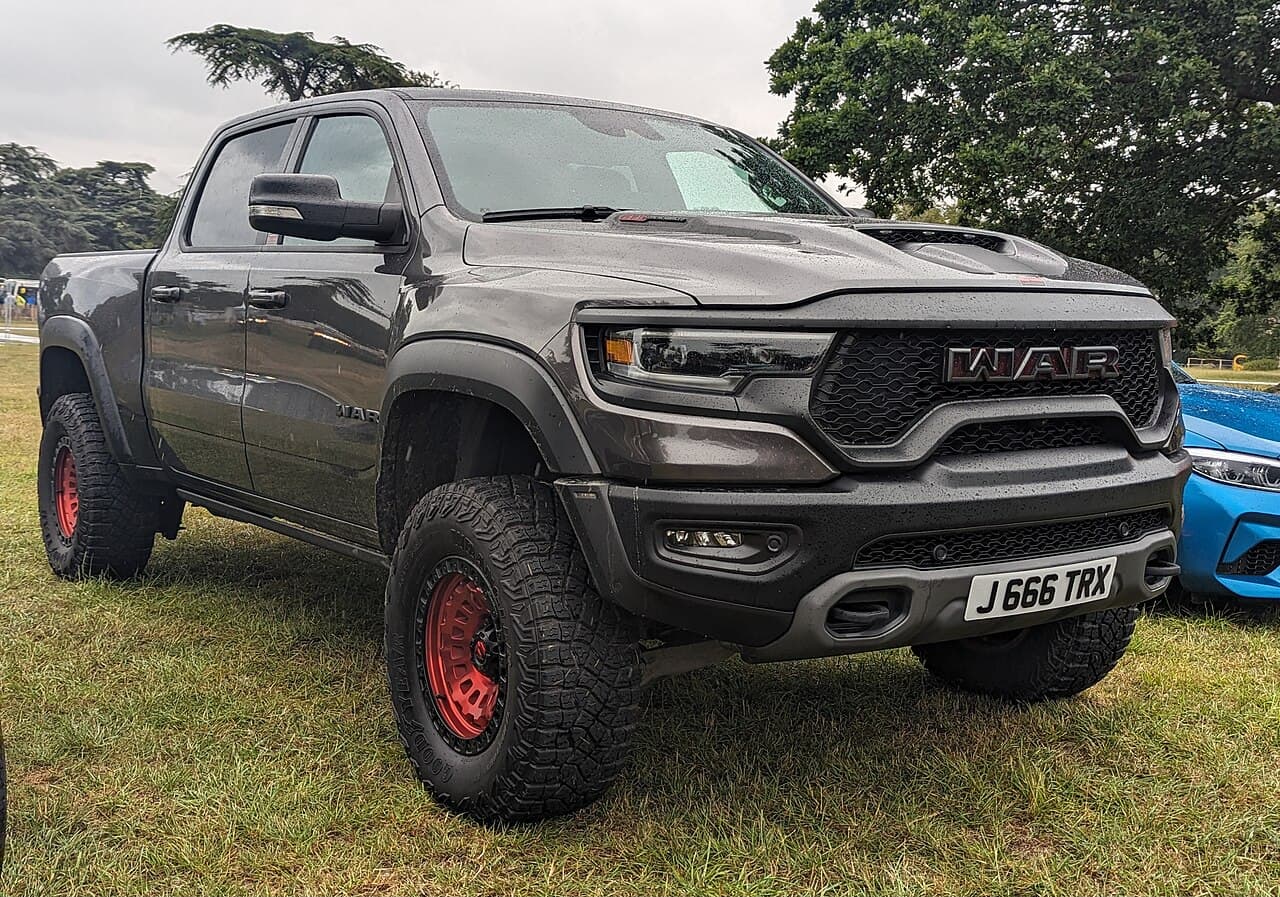
Insuring a Ram 1500 RHO costs more than insuring a base Ram 1500, and it costs more for the reasons any insurer underwrites a performance-oriented truck: higher vehicle value, a turbocharged engine class, and a driver profile the carrier assumes wants to use it. There is no published industry average premium for the RHO worth quoting, because the truck is too new and too thin on claims history for anyone to have one yet. What you can do is understand the rating factors that will move your specific quote, and get a VIN-specific number instead of guessing from a forum thread.
This is not the same math as insuring a Ram 1500 TRX. The RHO carries Ram's twin-turbo 3.0L Hurricane inline-six rather than the TRX's supercharged 6.2L HEMI V8, and it sits at a lower MSRP than the TRX did new. Full numbers for the RHO's pricing and spec sheet are on our Ram RHO price and specs page; we are not restating them here because they belong in one place and this is not it.
What actually moves your RHO insurance quote
Insurers do not price a truck off its badge. They price it off a handful of factors that apply the same way whether you are quoting a RHO, a TRX, or a minivan. The RHO just lands in a different spot on each of them than the base Ram 1500 does.
Vehicle value (MSRP and replacement cost). Premiums for physical damage coverage scale with what the insurer would have to pay to replace or total the truck. A higher-priced truck means a higher insured value, which means a higher premium for the same deductible, all else equal.
Performance and engine classification. Underwriting models bucket vehicles partly by power output and acceleration, because faster trucks statistically get into worse accidents and get stolen at different rates than work-trim trucks. The RHO's turbocharged six is a step up in output from a standard Ram 1500, and insurers price that step even though it is a smaller step than the TRX's supercharged V8 represents. This is the core reason a RHO quote will usually land below a TRX quote and above a Rebel or Laramie quote, not because of a brand premium, but because the performance classification sits in the middle.
Driver profile. Age, driving record, credit-based insurance score where state law allows it, and how the truck will be used (daily commuter versus weekend rig versus financed and garaged) all move the number more than the vehicle choice does in a lot of cases. A 45-year-old with a clean record and no claims in five years is going to see a very different quote than a 23-year-old with one at-fault accident, in the exact same truck.
ZIP code. Insurance is priced regionally based on local claims frequency, severity, theft rates, uninsured motorist exposure, weather risk, and even repair labor rates in your area. A RHO garaged in a rural ZIP code with low theft and cheap body labor will quote differently than the same truck in a major metro.
Claims history, yours and the model's. Your own history is the obvious one. Less obvious: insurers also look at claims data for the vehicle itself once enough of them are on the road and have been in circulation long enough to generate a loss history. That data does not exist yet for the RHO in any usable form, which the next section covers.
Why RHO-specific cost data is thin right now
The RHO is a newer nameplate than the TRX, and insurers build their rating tables partly off actual claims experience accumulated over years of a model being on the road. The TRX has multiple model years of real claims history behind it by now. The RHO does not. Some carriers will rate it off related Ram 1500 trims and adjust for the engine and trim level; others may not have a fully built-out RHO-specific rate table yet and will quote more conservatively until they do.
Practically, that means any cost range you see, including anything implied in this article, should be read as illustrative of where the RHO sits relative to other Ram 1500 trims, not a guaranteed premium. Treat a stated range the same way you'd treat a dealer's out-the-door estimate before you've given them your actual information: directionally useful, not a number you can bank on.
RHO versus TRX insurance: why you should not assume the same number
It is tempting to look at TRX insurance threads and assume the RHO will land in the same range, since both are off-road Ram 1500 variants aimed at a similar buyer. Do not make that assumption. The TRX is a higher-value, higher-output truck with a supercharged V8, and its insurance costs reflect that. The RHO's turbocharged six and lower MSRP put it in a different underwriting bracket, likely lower than the TRX on both the value and performance-classification axes, but nobody has published a hard number proving that for either truck in a way you should treat as fact. The MSRP gap between a Ram 1500 RHO and a Ram 1500 TRX is real enough to move a quote on its own; check the actual figures on the Ram RHO price and specs page before assuming the two trucks sit in the same bracket. We cover what TRX owners actually report paying in the Ram TRX insurance cost guide, and we lay the two trucks side by side on this exact question in TRX vs RHO: which costs more to insure. Read both before you assume either number applies to your truck.
How to get a quote you can actually trust
Forum anecdotes and "performance truck" rules of thumb are a starting point, not a quote. What actually determines your premium is your VIN, your driving record, your ZIP code, and the coverage levels you choose. The only way to get a real number is to request a VIN-specific quote.
- Have the VIN ready before you call or quote online. It tells the carrier the exact trim, engine, and safety equipment on your specific truck, not a generic "RHO" placeholder.
- Get quotes from at least three carriers. Underwriting models differ enough between insurers that the spread on the same truck and driver can be significant.
- Quote the same coverage levels and deductible across every carrier so you are comparing apples to apples, not a cheap quote with thin coverage against a thorough one.
- Ask your agent directly whether they have RHO-specific rating data yet, or whether they are rating it off a related Ram 1500 trim. That answer tells you how much confidence to put in the number.
- If you are cross-shopping against a Ram 1500 TRX or considering ordering a Ram 1500 RHO new, get quotes on both before you sign anything. The MSRP difference between the two trucks can matter to your premium as much as the engine class does.
Checklist to bring to your agent
- Liability limits: state minimums are not enough coverage for a truck in this price range if you have meaningful assets to protect. Ask about umbrella policy eligibility.
- Physical damage deductible: this covers both collision damage and non-collision losses like theft, fire, or weather. A higher deductible (say, $1,000 instead of $500) lowers your premium but raises what you pay out of pocket after a claim. Pick the number you could actually write a check for tomorrow.
- Gap coverage: if you financed the RHO, ask whether gap coverage is bundled or needs to be added separately, especially in the first two years when the truck depreciates faster than the loan balance.
- Agreed value or stated value options: relevant if you plan to modify the truck, since a standard policy may only cover factory value after a loss.
- Bundling: ask what bundling the RHO with homeowners, renters, or another vehicle policy actually saves versus a standalone policy. The discount is real industry practice, but the size of it is carrier- and state-specific.
- Usage classification: confirm the policy reflects how you actually drive it (commute, pleasure use, or business use), since misclassifying usage can void a claim later.
The short version
There is no reliable published premium figure for the Ram 1500 RHO yet, and anyone quoting you an exact number as an industry average is guessing. What is reliable: the RHO will rate below the Ram TRX on value and performance classification, and above a standard Ram 1500 trim, with your actual premium set mostly by your driving record, ZIP code, and coverage choices. Get VIN-specific quotes from at least three carriers before you sign, and do not treat a TRX number or a forum post as a stand-in for your own.