Ram TRX Bumpers and Armor: What to Know Before You Buy
Steel bumpers and skid plates look tough, but they add weight in exactly the places that affect handling and payload. Here's how to think through an armor upgrade before you order one.
Gear in this article
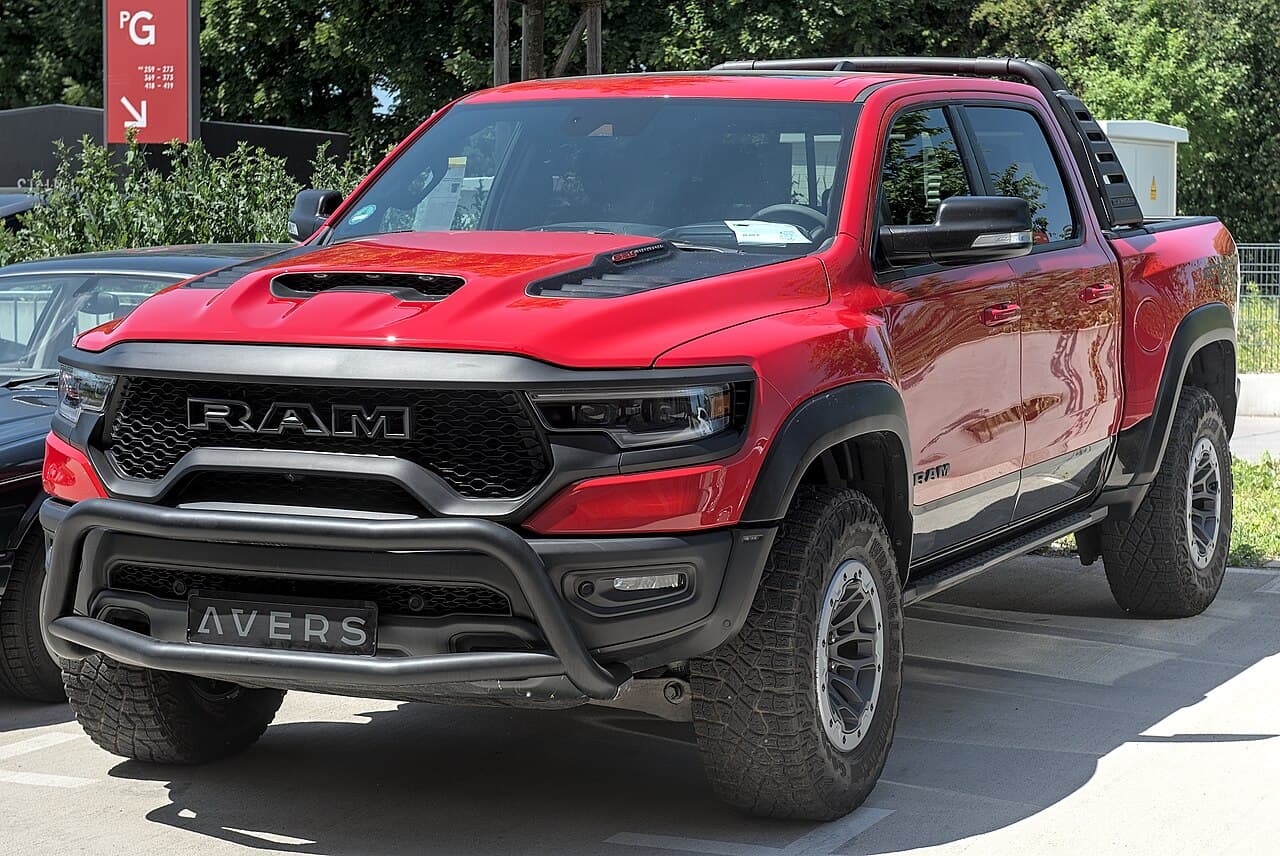
The honest answer: steel bumpers, skid plates, and rock sliders protect the truck from the exact kind of damage the stock tires and factory ride height will eventually find, but every pound you bolt on comes off the 1,310 lb payload number the Ram 1500 TRX (2021-2024) left the factory with, and that number does not care whether the weight is armor or a bed full of gravel. Before you order anything, decide what you are actually protecting against, because "it looks tough" is not a reason that survives a scale.
What each piece of armor actually protects
Armor is not one product. Each piece solves a different problem, and buying all of it at once because it comes as a "kit" is how people end up with 400+ pounds of steel protecting against damage they were never going to take.
Front bumpers
A front bumper upgrade replaces the factory fascia with a steel or aluminum structure built to survive a deer strike, a rock face, or a trailhead gate without crumpling the radiator support behind it. Most aftermarket front bumpers also add real recovery points rated for a shackle or a winch line, which the factory bumper does not give you. If you are running stock tires and staying on maintained trails, the factory bumper is doing its job. If you are hitting rock gardens or desert whoops at speed, the stock plastic and the sensors behind it are the first thing to go.
Rear bumpers
Rear bumpers trade the factory step bumper and parking sensors for a narrower, higher-clearance structure that improves departure angle and survives a trailer hitch reverse mistake better than stock. They matter less for impact protection on most builds and more for clearance on steep exits and ledges where the stock bumper's low corners drag first.
Rock sliders
Rock sliders bolt under the rocker panels (the body section below the doors) and are built to take the truck's weight when a tire climbs a ledge or a rock forces the body to lean. Without them, the rocker panel and the pinch-weld underneath take that load, and on a truck this heavy that means real sheet metal damage, not a scratch. Sliders are also a step for taller tire setups. If you wheel anything with off-camber sections or tight rock, sliders are the armor piece that actually earns its keep most often.
Skid plates
Skid plates are flat steel or aluminum shields bolted under the engine, transfer case (the gearbox behind the transmission that splits torque front to rear), fuel tank, and transmission pan to stop a rock or a stump from puncturing something expensive. The TRX ships with factory underbody protection already, so the question with aftermarket skid plates is whether you need more coverage and more material thickness than what Ram already put there, not whether you need skid plates at all. For most owners who wheel moderate trails, the factory skids are adequate. For owners running ledges and rock crawling sections regularly, thicker aftermarket plates close real gaps, particularly around the oil pan and the front differential.
The weight trade-off nobody puts on the window sticker
Steel armor is heavy, and nobody publishes a clean weight number across brands because the parts are not standardized. What is standardized is the TRX's payload: 1,310 lb maximum on the 2021-2024 truck, and that figure already has to cover passengers, cargo, a winch if you run one, and anything in the bed before you add a single bumper.
A full steel armor package, a winch, a set of rock sliders, and heavier skid plates can eat a meaningful chunk of that number before you load a single cooler. Add a second battery, a bed rack, and recovery gear and a build that looked reasonable on paper can land you closer to the payload ceiling than most owners expect. We walked through the actual math, including what the number looks like once you subtract passengers and a full tank, in the breakdown on the Ram TRX payload article. Read that before you order armor, not after, because the fix for an overloaded truck is removing parts you already paid to install.
The other side of that weight sits at the front axle. Steel front bumpers and winches add mass ahead of the front wheels, which is exactly where the factory-tuned suspension is already working hardest at speed. It will not break anything by itself, but it changes how the truck settles over whoops and how the nose reacts under braking, and most owners who go heavy up front end up revisiting their suspension setup later rather than sooner.
Winches change the math twice
A winch adds weight at the front bumper, which is the worst place on the truck to add it, and it almost always requires a bumper built to carry one, because the factory fascia has nowhere rated to mount it. If a winch is part of the plan, buy the bumper and the winch plate as one decision, not two. We cover the fitment specifics for the 2021-2024 TRX in the mod database entry for the Stealth Fighter winch plate kit, which is worth reading even if you end up going a different direction, because it lays out what a winch-ready bumper actually needs to clear.
Do you need armor, or do you need better recovery gear
Plenty of TRX owners buy steel armor to solve a problem that a good recovery kit solves cheaper and lighter. If your actual trail use is mostly maintained roads with the occasional stuck situation, a quality kit, a set of traction boards, and a properly rated recovery point will get you out of more situations than a heavier front bumper will prevent. We broke down what is actually worth carrying, separate from what the catalog upsells you into, in the recovery gear guide. Read that one alongside this one before you spend armor money on a problem you do not actually have.
Installation considerations: lighting, sensors, and what to check before you buy
Swapping the front bumper usually means relocating the factory fog lights and, depending on the product, adding auxiliary lighting that has to meet your state's DOT rules for mounting height, color, and when it can be on. Check your state's requirements before wiring anything permanently, because "it came with the kit" is not a legal defense if a light bar is wired to stay on with the headlights.
The bigger question is radar and parking sensors. The TRX uses front and rear sensors for parking assist and, depending on trim and model year, forward collision warning hardware mounted in or near the bumper. Whether a given aftermarket bumper preserves that functionality, relocates the sensors, or deletes them entirely varies by product and by manufacturer, and we are not going to tell you it works universally because it does not. Verify sensor and ADAS (driver assist) compatibility with the specific part number you are buying, not with what a forum thread says about a different model year's bumper. This is one of the few places where a five-minute call to the manufacturer before ordering saves a return shipping fee.
Check the warranty before anything structural
Any bumper, slider, or skid plate that requires drilling, welding, or modifying the frame rails is a structural change, and structural changes are exactly where warranty disputes happen. Before you buy anything that touches the frame, read which TRX mods actually void your warranty and which don't. Bolt-on armor using factory mounting points is generally treated differently than anything requiring irreversible modification, but "generally" is doing real work in that sentence, and a dealer denying a claim later is a worse day than reading one article now.
Does any of this change for the 2027 SRT TRX
The 2027 Ram SRT TRX has been in customer hands for a matter of weeks. There is no established aftermarket armor fitment history for it yet, no verified payload-after-armor data, and no track record on sensor compatibility with any bumper built for the new platform. If you are planning a build for a 2027 truck, assume nothing from the 2021-2024 TRX aftermarket carries over without confirmation, because the SRT TRX is not a carryover chassis, it is the first truck out of the relaunched SRT division, and parts bins do not always match across a generation change even when the sheet metal looks similar.
The short version
- Front bumpers protect against impact and add winch capability, rear bumpers mostly buy departure angle, sliders protect the rockers, and skid plates protect the underbody. Buy what your actual trail use requires, not all four at once.
- Steel armor eats directly into the 1,310 lb payload the 2021-2024 TRX has to work with. Do the math against your real build before you order.
- Winches and front bumpers should be bought together, since most winches need a bumper rated to carry one.
- ADAS and parking sensor compatibility varies by product. Verify it against the specific part number, not a general assumption.
- Check the warranty implications of anything structural before you drill or weld, and treat the 2027 SRT TRX as a truck with no aftermarket track record yet.