Best Recovery Gear for a Ram TRX: What to Actually Buy
A 702-to-777-horsepower truck that's actually taken off-road needs recovery equipment sized for its weight and capability, not generic gear. Here's how to prioritize winches, straps, and boards without overspending or voiding your warranty.
Gear in this article
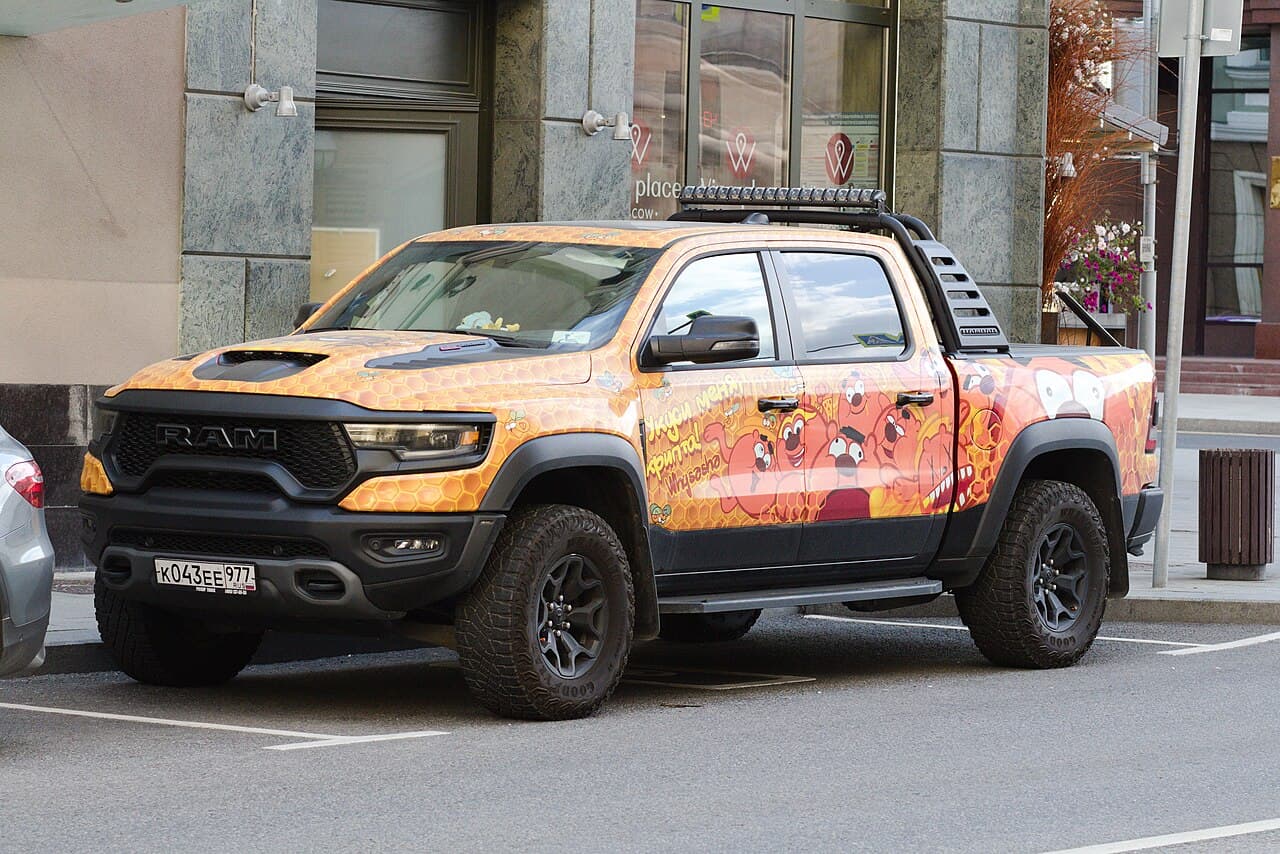
The short answer: buy traction boards first, rated recovery straps and shackles second, and only add a winch if you actually run trails where self-recovery without another vehicle is realistic. A 702-horsepower 2021-2024 Ram 1500 TRX or a 777-horsepower 2027 Ram 1500 SRT TRX on 35-inch-plus tires needs recovery gear sized to a full-size, lifted half-ton, not the compact kit sold for a Jeep or a crossover. Most of what gets stuck trucks unstuck costs under $400 and sits in the bed unused 95 percent of the time, which is fine. That is what it is for.
Why generic recovery gear undersizes a TRX
Ram does not publish a single curb weight across every TRX trim, so treat any number you see on a forum as an estimate at best. A better way to size gear is off what the truck is actually rated to do: 1,310 lb of max payload and 8,100 lb of max tow on the 2021-2024 TRX tell you the frame and suspension are built for serious loads, and the 2027 SRT TRX carries the same chassis philosophy with 777 hp and 680 lb-ft on tap. A loaded truck with two people, a bed full of gear, and 35s or 37s mounted is comfortably in a heavier weight class than the recovery kit sold for a stock Tacoma. Buying gear rated for that lighter class is the most common mistake we see.
Tire choice changes the math too. A truck on an all-terrain versus a committed mud-terrain behaves very differently in sand and snow, which changes how often you actually need a winch versus a shovel and a board. If you have not settled on a tire and lift combination yet, work through the TRX tire and lift fitment guide before you spend money on recovery gear built around a tire size you might not keep.
Traction boards: buy these first
Traction boards (flat, textured panels you wedge under a spinning tire to regain grip in sand, mud, or snow) solve the majority of real stuck scenarios without needing a second vehicle, a winch, or an anchor point. They are the single highest value-per-dollar item in this whole category.
What to actually check before buying a set:
- Load rating relative to the truck's weight class. Boards sold for ATVs and side-by-sides are not built for a half-ton. Look for boards explicitly rated for full-size trucks and SUVs.
- Teeth depth and traction pattern. Deeper, more aggressive teeth work better in mud and snow; shallower patterns are fine for sand.
- A mounting system for the bed or a spare tire carrier, so the boards do not become projectiles or bed clutter. Several bed storage systems, including the Decked drawer system sized for the TRX's 5.7-foot bed, have mounting provisions or enough flat deck space to strap a pair down securely.
Budget here swings mostly on brand and board count. A pair of quality boards is a reasonable entry point; four boards (front and rear) cost more but matter if you run sand regularly.
Tow straps, shackles, and recovery points: what "rated" actually means
A kinetic recovery rope (a strap engineered to stretch and store energy, then snap a stuck truck free) and a static tow strap are different tools. The kinetic rope is what you want for vehicle-to-vehicle recoveries; a static strap is for controlled towing at low speed, not snatch recoveries, and using the wrong one for the wrong job is how people get hurt.
Whatever you buy, check the breaking strength against the truck's actual loaded weight, not its curb weight. A common rule of thumb among recovery riggers is to size breaking strength at two to three times the vehicle's gross weight, which for a loaded TRX or SRT TRX means erring toward the heavier-rated ropes and straps on the shelf rather than the cheapest one that technically fits a half-ton.
Shackles connect the strap to the vehicle's recovery point. Two options:
- Soft shackles (a loop of synthetic rope with a spliced eye) are lighter, will not put a steel projectile through a windshield if something fails, and are the safer default for most owners.
- Steel clevis shackles are more durable for repeated abuse and winch line work but carry more risk if a recovery goes wrong at high load.
Whichever you pick, match the shackle's working load limit (WLL, the maximum load the manufacturer rates it safe for in normal use, well below its actual breaking point) to the strap's rating, not the other way around. A mismatched pair means the weakest link in the system is whichever one you did not think about.
Winches: do you actually need one, and how do you mount it
A winch earns its keep if you run trails alone, run them in snow or mud where a stuck truck has no other recovery point nearby, or wheel terrain steep and slick enough that a kinetic rope and another vehicle are not a realistic option. If you mostly run graded trails, sand washes, or go out with a group, a winch sees very little use and a strap plus boards covers almost everything.
Winch capacity gets argued about constantly online with invented precision. The honest version: match the winch's rated pulling capacity to your truck's actual loaded weight plus a safety margin, confirm the rating against the manufacturer's spec sheet for the specific model you are buying, and do not trust a number you saw in a forum thread, including this one.
Mounting: plate kit versus full bumper replacement
Two paths, different costs and different consequences for the factory bumper:
- A hidden winch plate mounts behind the stock bumper and lets the winch sit tucked out of sight without replacing anything. The Stealth Fighter winch plate kit built for the 2021-2024 TRX is a concrete example of this approach: it keeps the factory bumper, fog lights, and parking sensors in place while giving you a mounting point and fairlead opening for a winch.
- A full winch-ready bumper replacement (something like the Phantom front bumper for the 2021-2024 TRX) gets you integrated lighting and a more aggressive approach angle, but it is a bigger job, a bigger bill, and it removes factory sensors and crash structure that a plate kit leaves alone.
Fitment is generation-specific. A bracket built for a 2021-2024 TRX will not bolt to a 2027 SRT TRX, and since the SRT TRX has only been in customer hands a few weeks, aftermarket fitment data for that truck is thin. Confirm part numbers against your exact model year before ordering anything, not a listing that says "fits TRX" without specifying which one.
Air down and air up tools
Letting air out of the tires for sand, rock, or snow improves traction by letting the tire's footprint spread out, and putting that air back in before you hit pavement again matters for handling and tire wear. The basic kit is two items: a set of accurate tire deflators (so you hit the same pressure on all four corners instead of guessing by feel) and a portable 12-volt air compressor rated to refill a 35-inch-plus tire in a reasonable number of minutes, not the small inflators sold for a compact car's spare.
What pressure to actually run depends on the tire you are on, the terrain, and the load in the bed, which is one more reason tire choice and recovery gear are not separate decisions. If you are still deciding between a street-biased all-terrain and a committed off-road tire, that choice belongs in the tire and lift guide linked above, not guessed at here.
What this does to your warranty
Traction boards, straps, shackles, and air tools never touch the warranty. They bolt to nothing structural and leave the truck's engineering untouched.
Winch mounting is different. Anything that attaches to the frame, replaces the factory bumper beam, or sits in front of crash sensors and radar modules touches systems the factory warranty cares about. That does not mean every winch install voids coverage outright, but it means you should know exactly what you are installing and read the full breakdown of which TRX mods actually void warranty coverage and which don't before you buy a bumper or a frame-mounted plate kit, not after a dealer flags it during a warranty claim. If you are still inside the factory powertrain warranty window and plan to keep the truck mostly stock otherwise, that five minutes of reading is worth more than any gear on this list.
For a wider look at what TRX owners actually run once they start building, the mod database covers everything from suspension to bumpers to intakes in one place.
The short version
- Buy traction boards first. They solve most stuck scenarios and never touch the warranty.
- Size straps and shackles to the truck's loaded weight, not its curb weight, and keep kinetic ropes separate from static tow straps.
- Add a winch only if you actually run terrain where self-recovery alone is realistic, and confirm the capacity rating against the manufacturer's spec sheet for your specific unit.
- Match any winch mount to your exact model year; a 2021-2024 TRX bracket will not fit a 2027 SRT TRX, and aftermarket fitment data for the SRT TRX is still thin weeks into production.
- Check the warranty implications of frame- or bumper-mounted hardware before you buy it, not after.