Buying a Ram TRX Out of State: What Changes When the Right Truck Isn't Local
With TRX inventory concentrated in certain regions and certain model years far scarcer than others, most serious buyers end up looking at a truck they can't test-drive in person. Here's what actually changes about the process — inspection, shipping, and paperwork — when the deal is done long-distance.
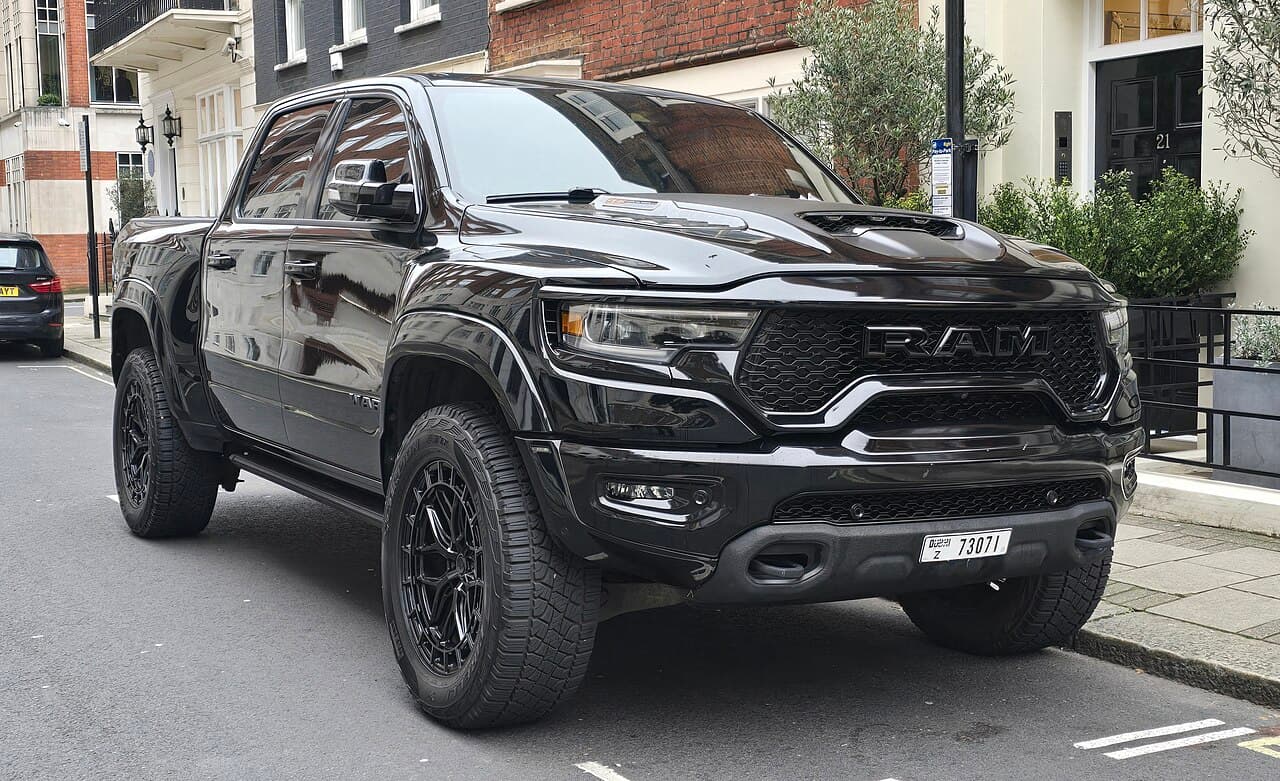
Ram TRX inventory is not evenly spread across the country, and the truck you actually want is often a few states away. As of 2026-08-31, TRX Central was tracking 1,561 total Ram 1500 TRX and SRT TRX listings nationwide: 341 for 2021, 521 for 2022, 226 for 2023, 266 for 2024, and 206 for the new 2027 Ram 1500 SRT TRX. That is a point-in-time snapshot, not a running counter, and the totals will look different by the time you read this. But the shape of the problem does not change much: certain model years and certain colors cluster in certain regions, and if you are chasing a specific spec (low miles, a particular paint, a documented service history), you will probably end up bidding on a truck you cannot walk around in person.
This piece assumes you have already read the general market picture at what the live TRX market shows and the core inspection checklist in the used Ram TRX buying guide. Both cover what to look for on any TRX, local or not. What follows is what changes when the truck is 800 miles away and you are buying on photos, a video call, and someone else's word.
Why the good ones are rarely local
The Ram 1500 TRX was built at Sterling Heights Assembly Plant in Michigan from December 2020 through February 2024, and it sold in real volume in truck-heavy regions well outside Michigan: Texas, the Mountain West, the Southeast. A clean 2021 with one owner and a full service history does not necessarily surface where you live, it surfaces wherever the guy who bought it new happened to live. The 2027 SRT TRX adds another wrinkle: production only started in August 2026, allocation was limited at launch, and early build trucks are concentrated with the dealers who got early allocation, not evenly distributed by state population. If you are shopping the newest truck, "local" may not be an option at all yet.
None of that means the out-of-state truck is a compromise. It means the process has three extra steps that a local private-party or dealer deal does not: verifying the truck's condition without touching it, verifying the title is clean before money moves, and getting it from their driveway to yours in one piece.
Arranging a remote pre-purchase inspection
You cannot skip the inspection just because you cannot drive to the truck. You outsource it.
The two common paths are hiring an independent mechanic near the seller to do a paid inspection, or booking a mobile pre-purchase inspection service that sends someone to the truck's location. Either way, the sequence is the same:
- Get the seller's agreement in writing (a text thread is fine) that an inspector can access the truck at a specific time.
- Give the inspector a checklist, not just "look it over." Ask specifically for the items in the used Ram TRX buying guide: underbody condition, evidence of frame damage or repair, tire wear pattern, fluid leaks around the supercharger and front differential, and a scan for stored codes.
- Ask for a written report plus timestamped photos and, if the service offers it, a short video walkaround with the engine running.
- Get a compression or leak-down check if the seller will allow it, especially on a truck with unknown maintenance history.
Costs for both a shop inspection and a mobile service vary by region and by how thorough you ask them to be. Budget for it as a real line item, not an afterthought. It is cheap insurance against a four or five figure surprise on a truck you have never touched.
Verifying title and lien status before any money moves
This is the step buyers skip when they get excited about a good price, and it is the one that burns people.
Before you send a deposit:
- Run a vehicle history report using the VIN and confirm the title status (clean, salvage, rebuilt, flood) matches what the seller told you.
- Confirm there is no active lien. If the seller still owes a lender, the payoff has to be handled correctly, usually through the lender directly or through an escrow service, not by wiring the seller personally.
- If it is a dealer sale, confirm in writing which state's paperwork they are processing the title through, and whether they will ship the title directly to you or to your state's DMV.
- If it is a private-party sale, use an escrow service or your own bank's mechanisms rather than a wire straight to a stranger. Do not release full payment until you have confirmed the lien is clear and the title is in hand or verifiably in transit.
None of this is TRX-specific. It is what changes any time a used-vehicle deal happens without both parties in the same room, and a $70,000-$110,000 truck (roughly the range these are trading in right now, per the current used TRX pricing) is exactly the kind of purchase where skipping it costs you the whole truck.
Open transport versus enclosed transport
Once the deal is done, you need to move a wide, low-clearance performance truck, often on 35-inch tires and with more front and rear overhang than a standard Ram 1500, from the seller's location to yours.
Open transport is the standard multi-car hauler you see on the highway. It is the cheaper option in almost every case and it is what most dealers and shipping brokers will default to. The truck rides exposed to weather and road debris for the length of the haul.
Enclosed transport puts the truck in a covered trailer, usually with a smaller number of vehicles per load. It costs more, and it is the choice buyers tend to make on a low-mile truck they are paying a premium for, or on the newest 2027 SRT TRX where a rock chip on a truck that is only weeks off the line stings more than it would on a 2021.
A few things worth asking any shipper regardless of which option you pick, without assuming a specific price or timeline:
- Ask for their insurance coverage in writing and confirm what it actually covers (transit damage, not mechanical issues).
- Ask about ground clearance and loading method. A lifted TRX loads fine on most standard equipment, but confirm the carrier has hauled a lifted truck or a TRX specifically before, not just "big trucks."
- Get a firm pickup and delivery window in writing, understanding that both can slip with weather and route changes.
- Photograph the truck yourself (or have your inspector do it) immediately before it loads, and again the moment it arrives, timestamped, in case you need to file a damage claim.
Shipping cost and transit time vary enormously by distance, route, season, and how many trucks the carrier needs to fill a load. Get quotes from more than one broker or carrier before booking, and treat any quote that seems far below the others with suspicion.
Sales tax and registration across state lines
This is the part where the rules genuinely differ by state, and it is not something a truck site can responsibly generalize.
Some states charge sales tax based on where you register the vehicle, not where you bought it, and credit you for tax already paid elsewhere. Others do not. Registration requirements, emissions testing, and the paperwork a dealer versus a private seller needs to hand you all vary the same way. Before you commit to a deal, call your own state's Department of Motor Vehicles or state tax authority and ask directly: how out-of-state purchases are taxed, what documentation you need to register the truck, and whether an out-of-state safety or emissions inspection is required before you can title it. Do not rely on a forum thread, a dealer in another state telling you how "your state" handles it, or this article, for the specific rule. Confirm it yourself, in writing if you can, before you sign anything.
Questions to send a distant seller before you commit
Send these in writing (text or email) so you have a record of the answers, and treat a seller who dodges specifics as a reason to slow down, not a reason to assume the worst.
- Can you send close-up, well-lit photos of the full underbody, including the frame rails, the front differential and skid plate area, and the rear suspension?
- What is the documented maintenance history, specifically for the supercharger drive belt and any supercharger service, and do you have receipts or a service record you can share?
- Has the truck ever had aftermarket tuning installed, even temporarily, and has it since been returned to stock? A truck that was tuned and reflashed back to stock can still carry logged data a dealer can see.
- Are there any modifications currently installed, and are they still on the truck or has it been returned to factory parts for the sale?
- Has the truck ever been in an accident, even a minor one, regardless of whether it was reported to insurance?
- Why are you selling, and how long have you owned it?
None of these questions assume the truck has a problem. They assume you are buying something you cannot put your hands on, and the honest seller has no reason not to answer plainly.
The short version
- The out-of-state TRX search is common because inventory is regional and uneven; the 1,561-listing snapshot from 2026-08-31 shows why a specific model year or spec often means looking outside your own state.
- Replace the in-person look with a paid remote inspection (independent shop or mobile service) using a specific checklist, not a general once-over.
- Verify title and lien status before any deposit or full payment moves, and use escrow or lender-direct payoff rather than a personal wire.
- Choose open or enclosed transport based on how much the truck's condition matters to you and your budget, get insurance details in writing, and document the truck's condition before and after the haul.
- Sales tax and registration rules are state-specific; call your own DMV or tax authority and confirm before you commit, do not assume any procedure is universal.