2027 SRT TRX Residual Value: What Early Dealer Listings Show (and What They Don't)
It's too soon for real resale data on the 2027 SRT TRX, but current asking prices on live inventory already hint at how dealers are pricing scarcity. Here's what that snapshot can and can't tell a buyer trying to protect their investment.
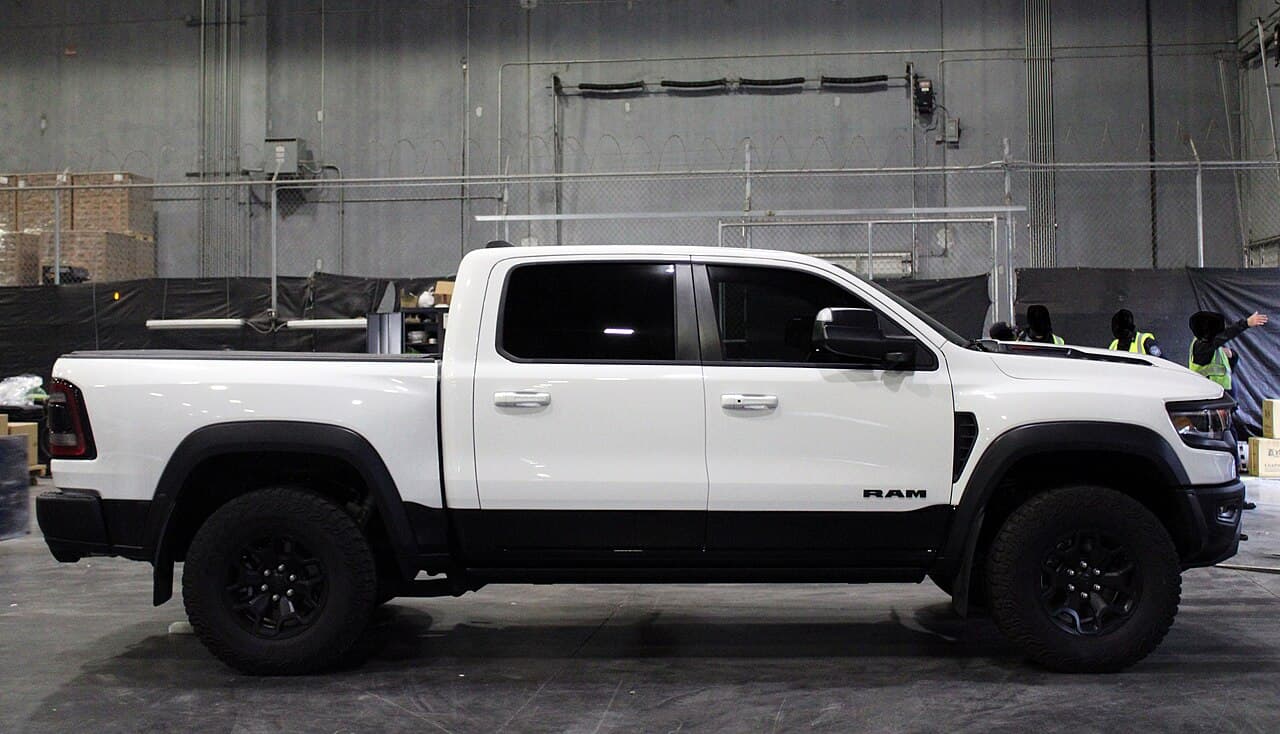
The 2027 SRT TRX has been in customer hands for a few weeks. Production started August 3, 2026, at Sterling Heights Assembly. There is no trade-in data, no auction data, and no private-sale data, because almost nobody who owns one has had a reason to sell yet. Anyone telling you what a 2027 SRT TRX "holds its value" or "loses in year one" is guessing, and you should discount that guess accordingly.
What does exist is a snapshot of current asking prices on live dealer inventory. That is a different thing than resale value, and the difference matters to anyone trying to protect money on a $100,000 truck.
What the live inventory snapshot actually shows
Pull the listings on a given day and you get a point-in-time count, nothing more. At one pull, our feed showed 206 listings nationally for the 2027 model year. Our pricing data, pulled separately, tracks 1,043 live 2027 listings averaging $109,133.
Those two counts do not match, and we are not going to pretend they do. Inventory feeds move by the hour, pulls happen at different times from different sources, and a truck this new has a live listing count that can shift by hundreds in a matter of days as allocation reaches more dealers. Treat both counts as what they are: snapshots, not a stable denominator you can do precise math against.
What you can say with more confidence is the shape of it. The starting MSRP on the 2027 SRT TRX is $99,995 plus $2,595 destination, which puts the floor sticker at roughly $102,590 before options. An average asking price around $109,133 sits several thousand dollars above that floor. Some of that gap is loaded trucks with real options content. Some of it is dealer markup on a scarce new product early in a launch, with a brand relaunch story attached. The snapshot does not separate the two, and neither can you from the outside.
This is an asking-price number on inventory that has not sold, not a sales record. Nobody has published what these trucks are actually transacting for, what they move at auction, or what a one-owner example brings on a private sale eight months from now. For the live version of this figure as it updates, that lives on the 2027 SRT TRX live market page. It will keep changing, and it should.
Why asking price and resale value are not the same question
Asking price tells you what a dealer thinks the market will bear today, with over a thousand trucks worth of inventory on lots nationally. Resale value tells you what a buyer actually paid for a used example after the truck has been driven, financed, insured, and in some cases crashed, modified, or neglected. Those numbers only start to exist once trucks change hands in volume on the used market, which has not happened yet for a model that is weeks old.
A useful comparison: our TRX price page tracks both the new-MSRP side and what used examples sell for across model years, because those are genuinely different data sets even on a truck with four full years of sales history. The 2027 SRT TRX only has the first half of that picture right now.
What the 2021-2024 TRX tells you, and what it does not
The outgoing Ram 1500 TRX gives you an actual case study, not a prediction. Current live averages on that truck run from about $67,255 for a 2021 up to $90,826 for a 2024, across hundreds of listings per model year. Those are used-market numbers built on years of actual transactions, not day-one asking prices.
What that run shows is that a limited-production, high-output Ram performance truck with a discontinued-sounding story (a Hellcat-sourced supercharged V8, no direct factory replacement at the time) held value better than a mainstream half-ton typically does. Our TRX resale value breakdown walks through that pattern model year by model year.
That is context, not a forecast. The 2027 SRT TRX is a different truck (see what actually changed), with a different story (the relaunch of the SRT division rather than its sunset), a different starting price, and a market that has not yet decided how it values that story. The old TRX held up well partly because production had ended and buyers knew the well was dry. Nobody knows yet how long the SRT TRX will stay in production, how fast allocation will loosen, or whether SRT will follow it with more models. Any of those answers would change the resale math, and none of them exist yet.
Factors that will actually decide this, once there is data to decide it
A few things worth watching, framed as open questions rather than settled outcomes.
Allocation scarcity. If dealers keep getting a trickle of trucks for the next year, scarcity supports asking prices. If Ram ramps production quickly to meet relaunch demand, that scarcity premium erodes fast, the way it has on plenty of limited-run vehicles that were hard to find for a year or two and then were not.
Brand relaunch interest. The SRT TRX is the first vehicle out under the revived SRT badge. Brand-relaunch halo cars sometimes command a premium for being first; sometimes that fades once the badge is no longer new. There is no precedent for this specific brand reset to point to.
Starting price ceiling. At $99,995 plus destination, this truck starts where the old TRX ended up after four years of price increases. A higher entry price means more room to fall if demand ever softens, but it also means the buyer pool skews toward people less sensitive to depreciation in the short term. Both cut in different directions, and neither is proven yet.
Markup paid at purchase. This is the one variable a buyer actually controls. Paying meaningfully over sticker today chasing a scarce allocation is money that is almost certainly gone in any resale scenario, because future buyers will price off MSRP and comparable asking prices, not off what you personally paid. We cover this directly in the dealer markup guide for the 2027 SRT TRX, and the short version is that paying over sticker on a vehicle with zero resale history is the riskiest version of that bet, not the safest.
The short version
- There is no real resale data on the 2027 SRT TRX yet. Production started August 2026, and the truck has been in owners' hands for weeks, not years.
- Live inventory counts for the 2027 model vary by pull (206 in one snapshot, 1,043 in our pricing feed averaging $109,133). Both are dated point-in-time figures, not a trend, and neither tells you what these trucks are actually selling for.
- The average asking price sits several thousand dollars above the roughly $102,590 floor sticker, a gap made up of both real options and early-launch markup in proportions nobody can isolate from the outside.
- The 2021-2024 TRX held value well as a limited high-output halo truck, a reasonable case study for how this category can perform, not a prediction for how this specific truck will.
- Scarcity, the SRT relaunch story, and the high starting price are real factors to watch, not settled outcomes.
- Protect yourself the one way you actually can: do not pay markup on a truck with no resale history to justify it. Revisit this question once trucks start trading on the used market.