2027 Ram SRT TRX For Sale: What the Live Market Actually Shows
The 2027 SRT TRX has only been shipping since last summer, so the for-sale pool looks nothing like the broad used-TRX market. Here's what current dealer inventory actually looks like and how to shop it without overpaying.
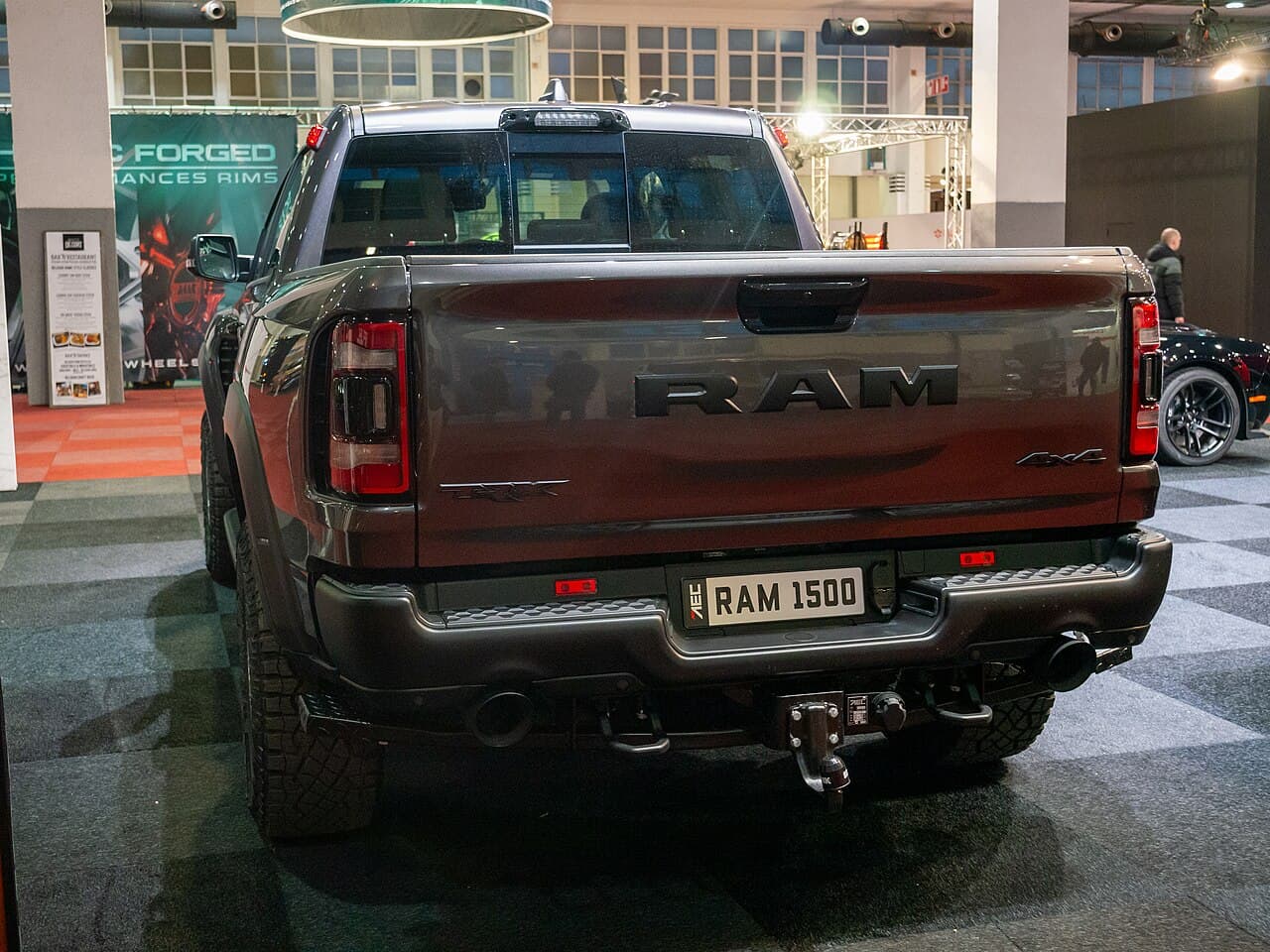
The honest number right now: roughly 206 listings for the 2027 Ram SRT TRX, pulled from a live dealer-inventory snapshot. That figure is not a market size, it is a moment. Check back in a month and it will be different, because this truck started production on August 3, 2026, at Sterling Heights Assembly (SHAP) in Michigan, and dealer lots are still filling for the first time. There is no multi-year used supply to draw from yet, so every listing you see is new or near-new inventory, plus a handful of very early trades from first-wave buyers.
That matters for how you shop it. A 206-listing pool behaves nothing like a mature market. Pricing is thinner, regional swings are bigger, and a single dealer holding three units can move the average more than it would in a market with thousands of trucks in circulation.
Why the pool is this small
The 2027 SRT TRX is the first truck out of the relaunched SRT performance division, and it has been in customer hands for a matter of weeks, not years. Production did not start until last August, so there has been no time to build the kind of used inventory depth that comes from lease returns, trade-ins, and multi-year ownership cycles.
Every 2027 on a dealer lot right now falls into one of three buckets: new units a dealer ordered and is holding at or near sticker, new units a dealer is marking up because demand is outrunning allocation, or the very first private resales from buyers who either flipped quickly or changed their minds. There is no fourth bucket yet. There is no "well-maintained three-year-old example with a clean service history" bucket, because that truck does not exist. It cannot exist for years.
If you are cross-shopping and want to understand exactly what separates this generation from the one that came before it, the generation page for the Ram 1500 SRT TRX covers the hardware changes, and this breakdown of what actually changed for 2027 covers the rest, including what nobody can answer yet because the truck is too new.
How this compares to the established TRX market
Put the 206-listing 2027 pool next to the 2021-2024 TRX market and the scale difference is stark: 1,561 total listings across those four model years, built up over roughly three years of production at the same SHAP plant, which ran from December 2020 to February 2024 before the line moved on. That is seven to eight times the inventory depth, spread across a truck that has had years to filter through first owners, second owners, lease returns, and private trades.
The practical effect: a 2021-2024 TRX shopper can be picky about mileage, color, options, and service history because there is enough supply to wait for the right one. A 2027 SRT TRX shopper right now cannot be nearly as picky, because the truck they want might be the only one in their region.
For the full picture of that older market, including how pricing breaks down year by year, see the Ram TRX live market breakdown. The current averages there run roughly $67,255 for a 2021, climbing to about $90,826 for a 2024, which gives you a sense of how the used TRX market has settled now that it has had time to.
What a fair price actually looks like
Every 2027 SRT TRX price conversation starts from the same number: starting MSRP of $99,995, plus $2,595 destination, before options. That is the floor the factory set. It is not what most listings will show, because dealer markup, packages, and early-market demand pricing all sit on top of it, but it is the number you measure every asking price against.
The live average across the current 2027 listing pool runs about $109,133, roughly $6,500 above the destination-inclusive sticker of $102,590. That tells you something simple: in a supply-constrained launch window, most of what is on lots right now is priced at or above MSRP, not below it. That average also mixes bare-bones orders with loaded trucks carrying options and markup, so do not read it as "the markup" on any single truck, just as a sign of which direction the whole pool leans. That is normal for a low-volume new nameplate in its first year and it is not, by itself, a reason to panic or to pay it.
For the official current number straight from the source rather than a secondhand estimate, use the site's pricing page before you walk into a dealership. Do not trust a number you saw on a classifieds aggregator from three weeks ago; this market moves by the week right now.
Whether paying over sticker actually makes sense for your situation, and when it does not, is its own question with enough nuance to deserve its own answer. We cover the full markup-versus-walk decision, including when a market adjustment is defensible and when it is just a dealer testing what you will pay, in the 2027 SRT TRX dealer markup analysis.
What you cannot get yet, and why that is fine
Do not go looking for resale value data, depreciation curves, or reliability history on the 2027 SRT TRX. None of it exists. The truck has been in customer hands for about two weeks at this writing. Anyone quoting you a "typical" resale percentage or a known failure point on this generation is making it up, full stop. If you want the honest state of what early owners are reporting after actually living with the truck, two weeks in with early 2027 SRT TRX owners is the closest thing to real data that currently exists, and it reads very differently from a market report because it is impressions, not numbers.
If reliability history matters more to you than having the newest hardware, that is a legitimate reason to look at a 2021-2024 TRX instead, where years of ownership reports and known-issue lists already exist. The used Ram TRX buying guide and the direct new SRT TRX versus used TRX comparison both work through that tradeoff without pretending one answer fits every buyer.
How to actually shop this scarcity
- Check the pricing page first, every time. Allocation and markups shift fast in a launch window. A number from last week is not this week's number.
- Call dealers directly instead of chasing marketplace listings. A listing aggregator shows you what existed when it was last scraped. A phone call tells you what is actually on the lot or inbound on the truck.
- Ask about allocation, not just inventory. Many dealers are still working through limited build slots. If nothing on the lot fits, ask what is coming and when, rather than settling for a marked-up unit because it is the only one physically present.
- Decide your markup ceiling before you walk in, using the destination-inclusive MSRP of $102,590 as your anchor, and read the dedicated markup analysis before you negotiate so you are not working from instinct alone.
- Do not shop this truck the way you would shop a mature used market. There is no "wait for a better-priced one three states over" strategy yet, because the supply to make that strategy work has not been built.
The short version
The 206-listing figure is a snapshot, not a market size, and it will move every week as SHAP keeps building. The 2027 SRT TRX pool is small because the truck is new, not because demand is weak: compare it to the 1,561-listing 2021-2024 TRX market and the gap is entirely a function of time, not interest. Judge every asking price against the $99,995 MSRP plus $2,595 destination, note that the live 2027 average currently runs about $109,133, roughly $6,500 over sticker, use the live pricing page before you negotiate, and treat dealer allocation conversations as seriously as the listings themselves. Resale and reliability data for this generation does not exist yet, and anyone selling you a confident number on either is guessing.