Buying a Used Ram RHO: What to Check Given How New the Truck Is
A used RHO market barely exists yet, which changes what "buying used" even means for this truck. This guide covers what a genuinely early used-market purchase looks like and how to inspect one without pretending there's years of resale history behind it.
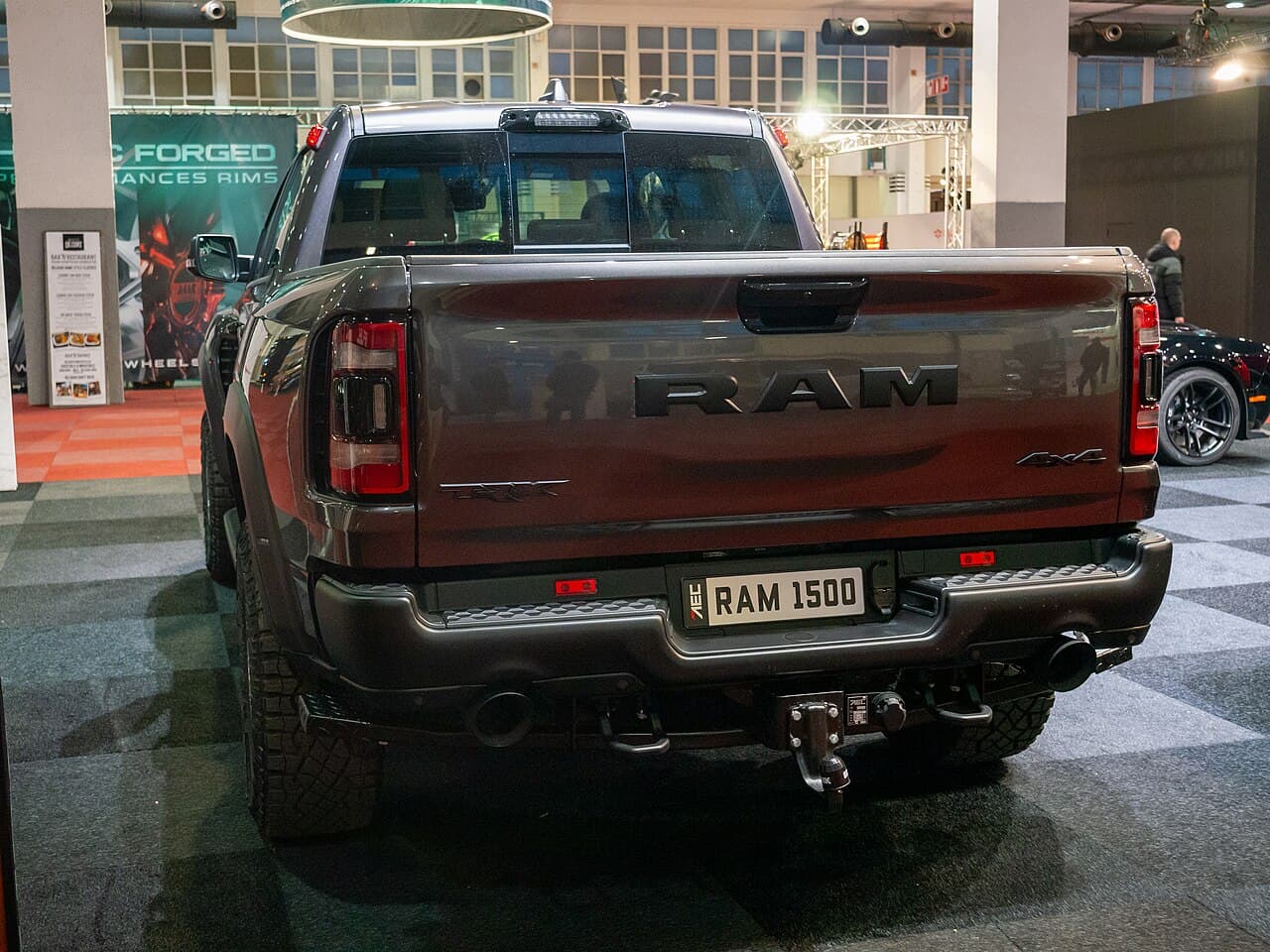
The Ram RHO launched recently enough that there is no real secondary market for it yet, and treating a used RHO search like a used TRX search will waste your time. What exists right now is a small pool of lightly-used, near-new trucks, mostly trades, lease returns, or owners who ordered wrong and cut their losses early, not a mature market with years of depreciation data behind it. That changes what "inspect before you buy" even means for this truck.
This guide covers what an early used-market purchase actually looks like for the Ram 1500 RHO, and how to check one out honestly, without pretending there is a failure history or a resale curve that does not exist yet.
Why the used RHO market is thin right now
The RHO is Ram's off-road truck built around the 3.0L Hurricane twin-turbo six-cylinder, not the 6.2L supercharged HEMI in the Ram 1500 TRX. It is a different truck aimed at a similar buyer, and mixing up the two on a listing site is an easy mistake if you are cross-shopping. If you need a refresher on which badge means what, the breakdown at how to tell a Ram RHO from a Rebel or TRX is worth a look before you start calling dealers.
Because the RHO has only been on lots for a short run of model years, the used inventory you will find skews heavily toward trucks with low mileage and recent build dates. There is no equivalent yet to the eight-figure spread you see across 2021-2024 TRX listings, where a rough 2021 and a clean 2024 can be $25,000 apart. For a sense of what is actually listed right now, rather than what we guess is out there, check the live inventory breakdown at Ram RHO for sale: what the market actually shows, and use Ram RHO price and specs for pricing context instead of trusting a single listing's asking price as the market rate.
What you can and cannot verify on a truck this new
Here is the honest split. You can verify condition, paperwork, and history. You cannot verify long-term reliability, because there is not enough truck-years on the road to have generated any.
That means your inspection has to lean harder on the things that are actually knowable:
- Physical condition of the body, frame, and undercarriage
- Title status and accident history
- Whether the truck matches its window sticker and build sheet
- Remaining factory warranty and whether it transfers
- Any aftermarket work and whether it was disclosed
What it should not lean on is a list of "known problem areas," because nobody has published one yet that is worth quoting, and anyone who tells you otherwise on a forum is guessing. The same caution applies on the TRX side to the 2027 SRT TRX, covered in more depth at 2027 Ram SRT TRX: what actually changed, and what nobody knows yet. New trucks do not come with failure histories. Anyone claiming otherwise is making it up.
Borrowing inspection methodology from the TRX market
The TRX has years of used-market history behind it now, and the inspection habits that developed around it still apply to the RHO, even without the failure-point specifics. The checklist below pulls its structure from the used Ram TRX buying guide and buying a Ram TRX out of state, adapted for a truck that has not been on the road long enough to develop its own known issues.
Title and history
Run the VIN through a title-history service before you drive anywhere to look at the truck. On a truck this new, a clean title with a single owner is common, so anything unusual (a salvage brand, a lienholder mismatch, a short registration gap) is a bigger red flag proportionally than it would be on an older truck with a longer paper trail.
Modification disclosure
Ask directly whether the truck has had any aftermarket parts installed and removed, not just what is currently on it. A tuner, a cold air intake, or a cat-back exhaust swapped in and then swapped back to stock before the sale can leave evidence (unusual fastener wear, mismatched clamps, a check-engine light history in the truck's connected-services app) that a quick test drive will not catch. This matters more on a truck under factory warranty, since undisclosed modification history is one of the more common reasons warranty claims get contested.
Dealer-certified versus private sale
A dealer-sold used RHO, especially one still inside its factory warranty window, gives you a paper trail and a service department that already has the VIN on file. A private sale can be a better price, but you are doing the title and history legwork yourself, and there is no dealer standing behind the transaction if something surfaces afterward. Neither path is automatically right; it depends on how much you trust your own inspection versus what you are willing to pay for someone else's.
Verifying it has not seen extreme off-road duty
The RHO is built to be run hard, and a truck that has been, is not automatically a bad buy, but you want to know before you sign. Look for skid plate scuffing that does not match the mileage, aftermarket recovery points, winch wiring run through the frame with no winch currently mounted, and tire wear that suggests a lot of loose surface driving rather than pavement. Ask the seller directly whether the truck has seen trail use, and if the answer changes between the phone call and the test drive, treat that as information.
Warranty and financing considerations on a truck this new
Nearly every used RHO on the market right now is going to have most of its factory bumper-to-bumper and powertrain coverage still in force, simply because of how few miles and how little time have passed since it left the factory. That is a real advantage of buying this early, but do not treat any specific number of months or miles remaining as certain; coverage terms and any transfer conditions should be confirmed with a Ram dealer using the truck's actual VIN, not assumed from memory or from what worked on a different model year.
The same goes for financing. Lenders price used-vehicle loans partly on established resale value data, and that data does not exist yet for the RHO the way it does for the TRX. Do not be surprised if loan terms on a used RHO look more like new-vehicle financing than what you would expect on a truck with a few years of depreciation behind it. Shop the loan the same way you would shop the truck, and get quotes from more than one lender before you commit.
The short version
- The used RHO market right now is small and mostly near-new trucks, not a mature secondary market. Check current listings at Ram RHO for sale: what the market actually shows rather than assume pricing from memory.
- There is no long-term reliability data for this truck yet. Do not let anyone sell you a "known problem" list that does not exist.
- Verify title history, ask directly about undisclosed modifications, and decide upfront whether a dealer-certified purchase or a private sale fits how much inspection legwork you are willing to do yourself.
- Check for signs of hard off-road use even on a low-mile truck, since the RHO is built for exactly that.
- Confirm remaining factory warranty and any transfer terms with a dealer using the VIN before you assume coverage. Do not treat a forum answer or a guess as fact.