The Pre-Purchase Inspection Checklist for a Used Ram TRX
A used TRX can look flawless in photos and still hide a rough ownership history. This checklist walks through exactly what to verify in person — documentation, modifications, and build details — before you sign anything.
Gear in this article
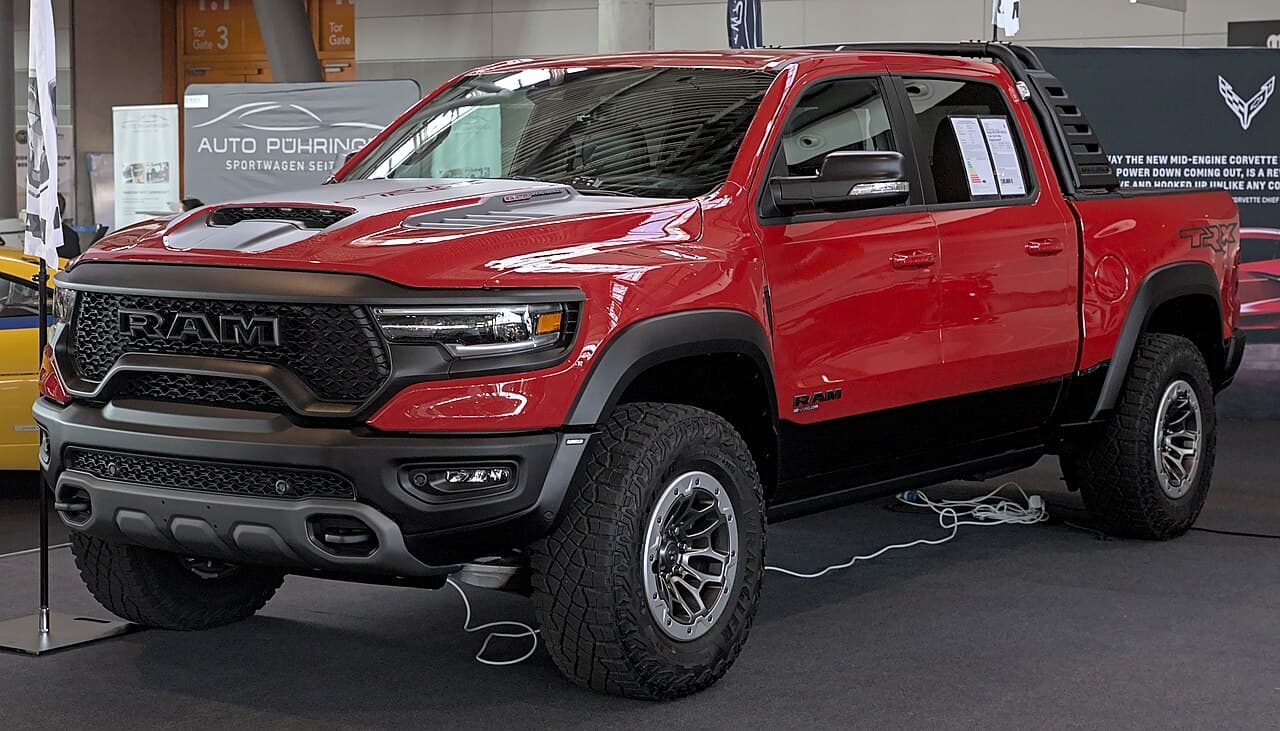
A clean set of photos tells you nothing about how a truck was actually driven, serviced, or modified. The only way to know is a documentation trail that matches the truck in front of you, plus a mechanical inspection from someone with no stake in the sale. Treat those two things as non-negotiable before you sign anything, regardless of how good the listing looks.
This matters more on a Ram 1500 TRX than on a typical used truck because of what the platform invites. A 702-horsepower supercharged truck draws a disproportionate share of owners who tune it, lift it, and run it hard off-road. Some of those builds are done well and documented. Some are not. The checklist below is built on standard pre-purchase diligence for a modified, high-output performance truck, not on a published list of known TRX failures, because no such list exists. We cover why that matters in the next section.
There is no known-problem list for the TRX, and that is the point
Before anything else: nobody has published reliable owner-reported failure data for the Ram 1500 TRX, across any model year. That is not a gap in this checklist, it is a fact about the truck. So this inspection process does not try to steer you toward or away from specific failure points, because doing that without real data would just be guessing dressed up as expertise.
What you can control is whether the specific truck in front of you has been maintained, driven, and modified in a way that holds up. That is a documentation and inspection problem, not a trivia question about which part supposedly fails on which model year.
Step one: confirm the title is clean before you look at anything else
Pull a vehicle history report using the VIN and verify:
- Title status is clean, not salvage, rebuilt, or flood. A branded title changes the value conversation entirely and some lenders will not finance it at all.
- Ownership count and duration. A truck that has changed hands three times in two years is not automatically bad, but it is a question worth asking out loud.
- Odometer continuity. Make sure reported mileage climbs consistently across the history report with no jumps or gaps.
- Open recalls. Run the VIN through NHTSA's recall lookup separately from the history report; dealers can also check this against the VIN while you are there.
- Prior accident or insurance-loss records, including anything flagged as frame damage, airbag deployment, or total-loss consideration that did not result in a branded title.
None of this requires the seller's cooperation. Do it before you drive anywhere.
Step two: match the build sheet and window sticker to the VIN, not the listing
Every TRX left the factory with a build sheet (also called a window sticker or Monroney label) that spells out the exact trim, options, and equipment it was built with. Sellers sometimes carry a copy; if not, a dealer can usually pull one from the VIN, and third-party VIN decoders can confirm the basics.
Use it to verify, specifically:
- Trim level (TRX, TRX Final Edition if applicable) matches what is advertised.
- Factory options like the panoramic sunroof, 12-inch touchscreen, Bilstein Black Hawk e2 adaptive dampers, and the specific wheel package were actually installed, not just listed because they are common on the trim.
- Paint and interior codes match what you are looking at, which matters more than it sounds for trucks that have had panels replaced after bodywork.
This is also where you confirm model year against the actual production window. The 2021-2024 Ram 1500 TRX was built December 2020 through February 2024 at the Sterling Heights Assembly Plant in Michigan. If a seller is calling a truck a "2024" and the VIN or build date decodes to late 2023 production, that is worth a direct question, not an assumption. Do not guess model year from the listing title or from trim badges alone. The VIN's model-year digit plus the build sheet is the actual source of truth. Our Ram 1500 TRX model-year guide breaks down what changed across the run if you want the year-by-year detail before you shop.
If you are looking at a 2027 Ram SRT TRX instead, the documentation check is simpler in one respect and harder in another. Simpler because the truck is new enough that there is effectively no service history to chase down. Harder because there is also no used-market track record yet. Our SRT TRX overview covers what is actually confirmed about that truck versus what nobody knows yet, two weeks into customer deliveries.
Step three: get full service records, not a verbal summary
Ask for actual paperwork: oil change receipts, dealer service invoices, any supercharger belt or fluid service, and records of any warranty work performed. A seller who says "I always kept up with it" and cannot produce a single receipt is giving you an opinion, not evidence.
Specifically look for:
- Gaps longer than a year between services, especially on a truck with low total mileage, which usually means it sat rather than that it was gentle on fluids.
- Independent shop invoices that line up with any modifications claimed, since labor records are a good cross-check against what the seller tells you verbally.
- Any warranty claims on file, which a dealer can often look up by VIN even if the current seller does not have the paperwork.
Step four: inspect tires and wheels like they are a diagnostic tool, not just a cost line
Tire and wheel condition tells you more about how a truck was actually driven than almost anything else you can check in twenty minutes.
Look at:
- Tire brand, size, and date code. The date code (a four-digit stamp on the sidewall, week and year of manufacture) tells you the tires' real age regardless of tread depth, since TRXs that sit outdoors can have cracked sidewalls on tires with plenty of tread left.
- Even wear across all four. Uneven wear front-to-rear or side-to-side can point to alignment issues or aggressive off-road use, and it is a legitimate negotiating point even without a confirmed mechanical cause.
- Wheel condition, including curb rash, cracks (especially on aftermarket wheels mounted to larger off-road tires), and whether the wheels match the advertised size and offset.
- Aftermarket wheel and tire packages specifically. If the truck is riding on something like a Method MR 707 instead of factory wheels, confirm the size and backspacing against what the seller states, because a mismatched offset can rub or stress the hub in ways that are not obvious from a parking-lot look.
Step five: verify every modification against what the seller claims, in writing
This is the step buyers skip most often and regret skipping most often. If the listing or the seller mentions any modification, verify it rather than taking the description at face value.
For example, if the truck is advertised with a supercharger upgrade like a Whipple Stage 1 kit, ask for the install invoice, the tune history, and whether the ECU has been flashed back to stock or still carries the aftermarket calibration. The same goes for suspension work. A truck running King Shocks with Kibbetech components or a Foutz adjustable rear suspension kit should have an install record, and ideally a shop name you can call.
Exhaust swaps like a Corsa Xtreme cat-back are usually low-risk and easy to verify by sound and by looking for the part stamp. Bumper and winch setups, like an ADD Stealth Fighter winch plate kit or a Phantom front bumper, are easy to see but worth confirming were installed correctly, since poor bumper mounting can mask prior front-end damage.
The broader question of whether a modified TRX is worth buying at all, and how to price the risk into your offer, is covered in full in Is a Tuned Ram TRX Worth Buying Used?. Read that before you make an offer on anything with a tune or a supercharger upgrade.
Step six: pay for an independent pre-purchase inspection, every time
Do not skip this, and do not let a dealer's own technician be the only inspection, since their incentive is to sell the truck, not to protect your wallet.
Find an independent mechanic, ideally one with specific experience on the 6.2L supercharged HEMI platform, and have them check:
- Fluid condition and levels, including engine oil, transmission fluid, transfer case fluid, and front and rear differential fluid
- Belt condition, since the supercharger belt is a serviceable wear item on a forced-induction V8
- Brakes, suspension components, and any sign of leaks at the front differential or transfer case
- Frame and underbody condition, particularly on a truck that has seen real off-road use
- A compression or leak-down check if the inspector has any reason for concern after the visual inspection
A qualified inspector will tell you what they actually find, not what a forum thread predicts they will find. Expect to pay for this inspection yourself; it is a deposit-free way to avoid a far larger mistake.
Step seven: handle out-of-state logistics before you fall in love with the truck
If the right truck is not local, the documentation and inspection process above does not change, but the logistics around it do: shipping, remote PPIs, temporary registration, and sales tax rules all vary by state. We cover that separately in [Buying a Ram TRX Out of State: What Changes When the Right Truck Isn't Local](/news/buying-a-ram-trx-out-of-state-what-to know), since it is a long enough topic on its own that it does not belong folded into this checklist.
What this checklist is not
This is not a list of specific failure points to fear, because that data does not exist for this truck yet, on either generation. It is also not a substitute for the independent mechanical inspection in step six. A documentation review tells you what the truck is supposed to be; only a hands-on inspection tells you what it actually is right now. If you want a wider look at what is currently listed and at what price, what the live TRX market shows is a useful gut check before you start narrowing in on one specific truck.
The short version
- Pull the VIN history report and confirm clean title, consistent mileage, and no open recalls before you drive anywhere.
- Match the build sheet to the VIN to confirm real trim, options, and model year; the 2021-2024 TRX was built December 2020 through February 2024, so do not guess year from the listing.
- Get actual service records, not a verbal summary, and verify every claimed modification against an install invoice or shop record.
- Inspect tires and wheels for age (via date code), even wear, and matched specs if aftermarket.
- Pay for an independent pre-purchase inspection from a mechanic with no stake in the sale. There is no published TRX failure-rate list to lean on instead, so this inspection is the whole job.