2025 Ram RHO: What to Know Before You Buy the First Model Year
The RHO is brand new to the Ram lineup, and first-year trucks always raise questions about markups, allocation, and what might change next. This guide separates what's actually knowable now from what buyers should simply wait and watch.
Gear in this article
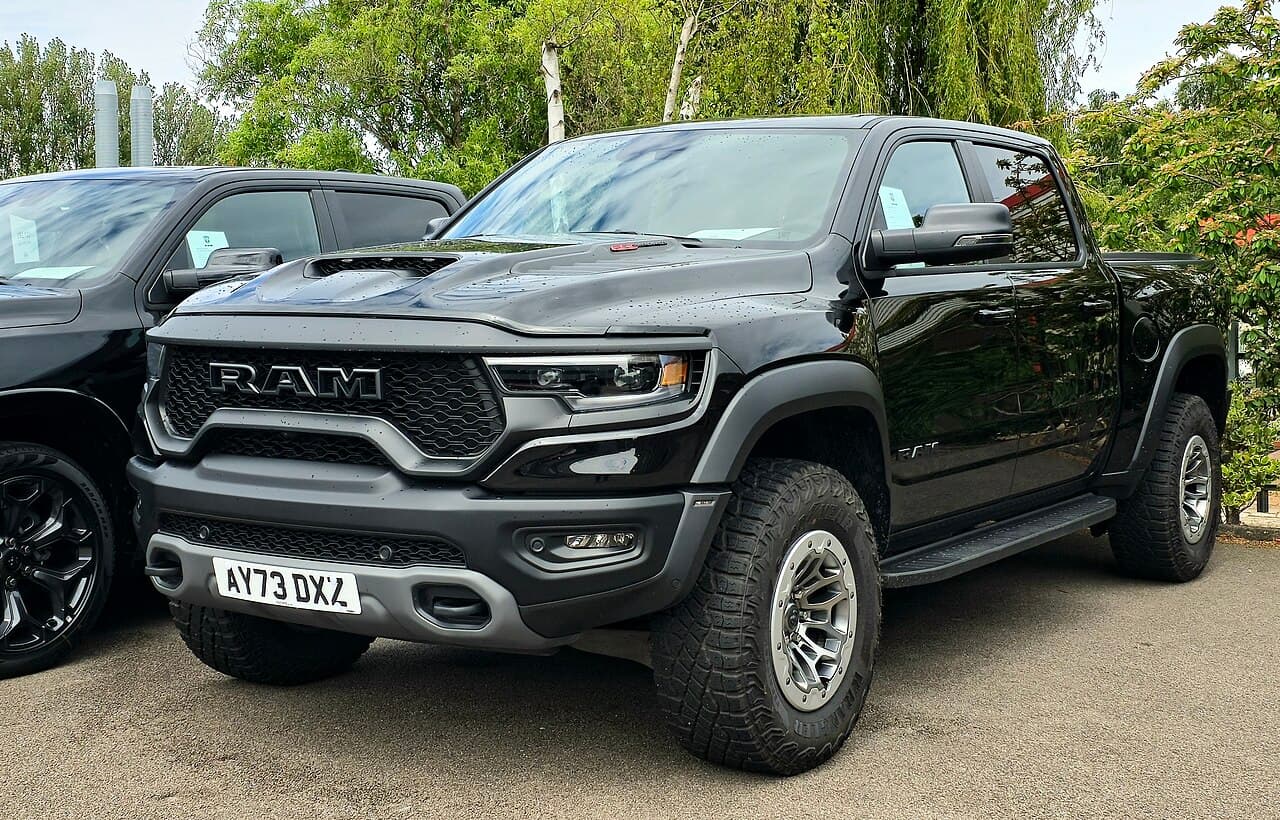
The honest answer: buy the 2025 Ram RHO now if the truck fits your budget and your local dealer isn't piling on a markup you can't live with, and don't buy it hoping a few months of waiting will reveal some hidden flaw worth dodging. There's no track record yet, good or bad, because the truck has only been on the road for about a model year. Anyone online telling you with confidence what breaks on these is guessing, not reporting.
That's the real tension with any first-model-year vehicle. You get the newest hardware and the longest runway before the next redesign, but you also get zero history on how it ages, thin aftermarket support, and whatever markup your local market will bear while demand outruns the first year or two of production.
Why first-model-year trucks carry markup and tight allocation
New nameplates get allocated to dealers in limited numbers for the first several months of production, especially when the vehicle is positioned to fill a gap in the lineup the way the RHO does between the Rebel and the TRX. Low supply plus early-adopter demand is exactly the setup that produces dealer markup, sometimes called a market adjustment, added on top of MSRP.
Whether you'll actually see a markup sticker depends entirely on your region, your dealer, and how fast RHO orders are moving in your area right now. That's not something a buying guide can answer for you in the abstract, because it changes month to month. For verified current pricing, trim walk, and what the truck is actually configured with, go to the Ram RHO price and specs page rather than trusting a number you saw on a forum or a dealer's window sticker photo. MSRP numbers get repeated incorrectly online constantly, usually because someone quoted an early press release and nobody corrected it once real orders started.
If you're cross-shopping the used market instead of ordering new, the math is different again: the used Ram RHO buying guide covers what to check on a truck this new, since "used" here still means a vehicle built within the current or prior model year.
Does it make sense to wait for a later model year?
There's no good evidence-based answer to this yet, and we're not going to pretend there is one. With a truck this new, "wait for the kinks to get worked out" is a reasonable instinct in general, but it's not backed by any specific known issue on the RHO, because no specific known issues have been documented. No TSBs (technical service bulletins, which are factory repair procedures, not recalls) have had time to accumulate. No owner has put 40,000 miles on one yet.
What you're actually weighing is generic first-year risk against the fact that a brand new design rarely gets a dramatic redesign in year two or three. Ram typically carries a platform for several years before touching the major hardware. If you wait a year, you're not waiting for a different truck, you're waiting for the same truck with more miles logged across the ownership base and, usually, a shorter dealer wait.
If your priority is minimizing risk and you can tolerate the wait, that's a defensible choice. If your priority is getting the truck now, that's also defensible, as long as you go in accepting that you are the data point future buyers will read about. Neither choice is wrong. Just don't let anyone tell you they know what year two will fix, because nobody does yet.
Picking a trim without guessing
The RHO's trim and package structure is laid out on the RHO price and specs page and on the RHO generation page, and that's where you should confirm exactly what's standard versus optional before you order, not here and not on a forum thread from launch week. Standard equipment on a brand new nameplate can shift within the first model year as the factory fine-tunes what sells and what sits on lots, so treat any trim breakdown older than a few months with some suspicion and recheck it against the current build-and-price tool before you sign anything.
The practical decision point is usually simpler than the trim sheet makes it look: are you buying this truck to actually run trails and want the off-road-oriented hardware, or are you buying the look and the drivetrain for street and tow duty. Order accordingly, and don't pay for suspension or underbody hardware you won't use just because it's bundled into the trim that also has the interior you want.
What "no known issues" actually means right now
Be skeptical of any list of 2025 RHO "known problems" you find online. At roughly one model year of real-world ownership, there hasn't been time for a failure pattern to emerge, let alone get documented, diagnosed, and confirmed across enough trucks to call it a trend. A single owner's bad alternator or a loose trim clip is not a known issue, it's an anecdote. Anyone presenting it otherwise is either padding a video for views or genuinely doesn't understand the difference between one data point and a pattern.
This matters for your wallet too. The RHO runs a twin-turbo 3.0 liter Hurricane inline six rather than the supercharged 6.2 liter HEMI V8 that powers the Ram 1500 TRX and the 2027 Ram 1500 SRT TRX, which means it doesn't inherit whatever history either of those V8 trucks has. It has its own, and that history is still being written. For what the ownership math looks like on costs you can actually plan around (insurance, tires, fuel, maintenance intervals), see the RHO cost of ownership breakdown, which separates what's confirmed from what's still an estimate.
Aftermarket support is still catching up
One quiet cost of buying a first-model-year truck is that the aftermarket hasn't fully caught up. Exhaust, intake, and tuning options exist, Corsa already has a cat-back exhaust for the RHO and there's a JB4 piggyback tuner for the twin-turbo six, but the parts bin is thinner than what a 2021-2024 TRX owner has access to after several years of the aftermarket building around that platform. If you're planning a build right away, budget extra patience for part availability, not just extra dollars.
RHO versus TRX before you order either one
If you haven't settled on which truck you actually want, work through TRX vs RHO: the honest comparison before you place an order. The two trucks solve different problems at very different price points and with different engines entirely, and it's a cheaper mistake to sort that out before you sign than after.
The short version
- Markup and allocation on the 2025 RHO depend entirely on your local market right now; check the RHO price and specs page for current numbers instead of trusting an old quote.
- There's no multi-year track record to justify confidently waiting for a later model year, and no confirmed "known issues" exist yet, be skeptical of anyone claiming otherwise.
- Confirm trim and package details on the official spec page before ordering, since standard equipment can shift early in a nameplate's run.
- Read the used RHO buying guide and RHO cost of ownership guide before you commit, and compare against the TRX directly if you haven't ruled it out.